Youth Coordination Drills For Beginners | Exercise Daily
Coordination is not just a trait for athletes; it’s a skill that everyone can develop with the right drills and practice. Many people mistakenly believe that coordination is a natural ability that can’t be improved, but this couldn’t be further from the truth. Youth coordination drills for beginners can significantly enhance motor skills, balance, and overall athletic performance. These drills serve as a foundation for children and young athletes, allowing them to build strength, agility, and confidence in their physical abilities. For more help, see our exercise training guides.
Who This Is For
- Beginners looking to improve their physical skills.
- Parents seeking fun ways to engage their children in physical activity.
- Young athletes wanting to enhance their performance in sports.
- Individuals recovering from injuries who need to rebuild coordination.
- Coaches or educators wanting to implement effective drills in their programs.
What Most People Get Wrong
As an Amazon Associate, Exercise Daily earns from qualifying purchases. This post may contain affiliate links. Last updated: June 21, 2026
A common misconception is that coordination drills are only beneficial for competitive athletes. In reality, coordination is crucial for everyone, irrespective of their fitness level or athletic goals. Many believe that coordination drills are too simplistic or not challenging enough, but they are foundational for developing more advanced skills. Ignoring these drills can lead to poor movement patterns and increased risk of injury. For children, developing coordination can also translate to improved performance in school sports and daily activities, fostering a lifelong appreciation for physical fitness. For more help, see our exercise training guides.
Why This Actually Works
Youth coordination drills target the brain’s ability to communicate with the body, enhancing neurological pathways that improve movement efficiency. These drills not only develop physical skills but also boost cognitive functions such as reaction time and decision-making. Research shows that engaging in coordination activities can lead to better performance in sports and everyday tasks (1). This holistic approach to fitness lays a solid foundation for future athletic endeavors. Moreover, as children become more adept at coordinating their movements, they often experience heightened self-esteem and motivation to participate in other physical activities. For more help, see our exercise training guides.
Mistakes to Avoid
Here are some common pitfalls to avoid when practicing coordination drills:
- Skipping the Warm-Up: Always begin with a warm-up to prepare the body and reduce injury risk. A proper warm-up increases blood flow to the muscles and enhances flexibility, making the body more receptive to the upcoming physical activity.
- Neglecting Form: Focus on quality over quantity. Poor form can lead to ineffective practice and injuries. Emphasizing correct technique not only boosts the effectiveness of the drills but also instills good habits that will serve the athlete well in future training.
- Overtraining: Allow adequate recovery time. Coordination skills take time to develop, and rest is essential. Overtraining can lead to burnout and a decrease in motivation, which can be detrimental particularly in young athletes.
- Forgetting to Have Fun: Keep the drills engaging to maintain motivation. Boredom can lead to disengagement. Incorporating games and friendly competition can make practice enjoyable and foster a love for physical activity.
Beginner Coordination Drills
Here are some effective youth coordination drills for beginners that can be easily implemented:
| Exercise | Target Skill | Sets | Reps | Difficulty | Safety Cue |
|---|---|---|---|---|---|
| Skipping | Rhythm & Timing | 3 | 30 seconds | Easy | Keep knees up, land softly. |
| Ball Toss | Hand-Eye Coordination | 3 | 10 catches | Easy | Focus on tracking the ball. |
| Agility Ladder Drills | Footwork | 4 | 1 minute | Medium | Stay light on your feet. |
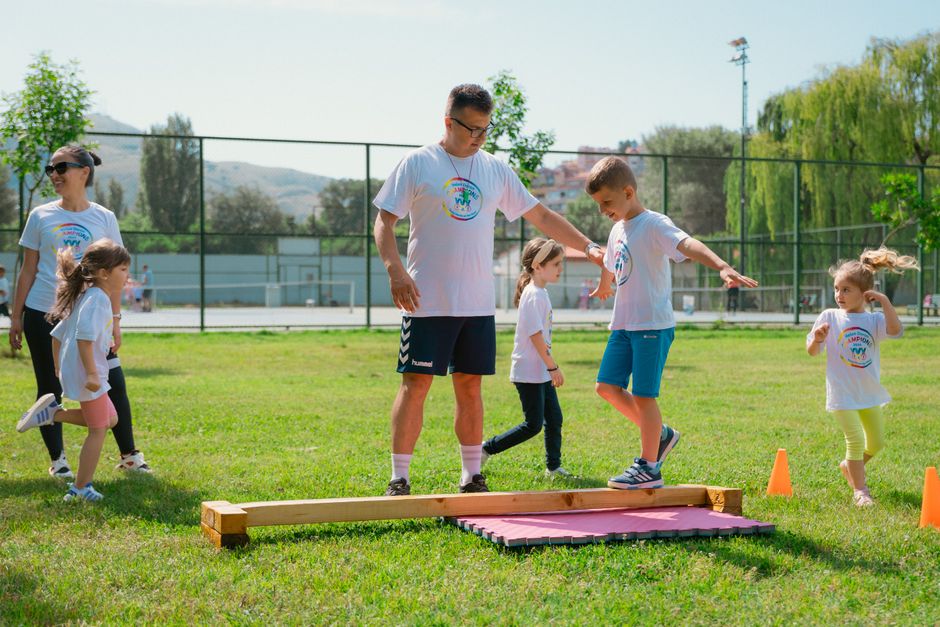
| Balance Beam Walk | Balance | 3 | 5 passes | Medium | Focus on a fixed point ahead. |
| Obstacle Course | Overall Coordination | 2 | 1 round | Hard | Clear the area of hazards. |
Advanced Coordination Drills
Once the basics are mastered, consider these advanced drills to further enhance coordination:
- Ball Juggling: Start with one ball and progress to two or three. This improves hand-eye coordination and concentration. Juggling can also enhance focus and multitasking skills, as it requires the brain to process multiple movements simultaneously.
- Shadowing: Pair up with a partner and mimic their movements. This drill enhances reaction time and adaptability. Shadowing not only improves physical coordination but also strengthens social skills through teamwork and communication.
- Single-Leg Hops: Hop on one leg while maintaining balance. Switch legs and increase the duration as you progress. This exercise is excellent for developing stability and strength in the lower body, which is crucial for various sports and physical activities.
- Dynamic Stretching Routines: Incorporate movements like high knees and butt kicks to enhance both flexibility and coordination. Dynamic stretching prepares the body for physical activity by increasing heart rate and improving range of motion.
Practical Tips for Implementing Coordination Drills
Here are practical tips to help integrate these drills into your routine:
- Set a schedule: Dedicate specific days for coordination drills, ensuring consistent practice. Consistency is key in developing coordination over time.
- Track progress: Keep a journal to note improvements in performance and skills. This can provide motivation as young athletes see their advancements over time.
- Incorporate games: Use fun, competitive games to make drills more engaging. Games that involve coordination can be more enjoyable and help reinforce the skills being practiced.
- Get feedback: Encourage coaches or peers to provide constructive feedback on form and technique. Regular feedback can help athletes make necessary adjustments and improve their performance.
Frequently Asked Questions
What age is appropriate to start coordination drills?
Children as young as 5 can start simple coordination drills, while more complex drills can be introduced as they grow older. Early exposure to coordination exercises can foster a love for physical activity and set the stage for future athletic endeavors.
How often should coordination drills be practiced?
For beginners, practicing coordination drills 2-3 times a week is effective for skill development. This frequency allows for adequate practice while also providing time for recovery and adaptation.
Can coordination drills help in non-sporting activities?
Absolutely! Improved coordination can enhance daily activities, from walking to performing tasks that require precision. Skills developed through coordination drills can translate into better performance in school, in arts, and in various aspects of life.
What equipment do I need for coordination drills?
Basic equipment such as cones, balls, and agility ladders can enhance the effectiveness of your drills. However, many drills can be performed with minimal or no equipment, making them accessible for everyone.
Are coordination drills suitable for all fitness levels?
Yes, coordination drills can be modified to suit all fitness levels, making them accessible to everyone. Tailoring the drills to accommodate different abilities ensures that all participants can benefit from the practice.
How long should each coordination drill session last?
Sessions can range from 20 to 30 minutes, depending on the intensity and number of drills performed. Shorter, more focused sessions can be more effective than longer, less structured ones.
Conclusion
Incorporating youth coordination drills for beginners is an essential step in developing fundamental motor skills. These drills not only enhance physical abilities but also boost confidence and promote a healthy lifestyle. Coordination is a critical component of athletic performance and overall well-being. Remember, the key is consistency and making the practice enjoyable. With dedication and the right approach, anyone can improve their coordination, paving the way for success in sports and everyday life.
- References
Eat daily, sleep daily, exercise daily.