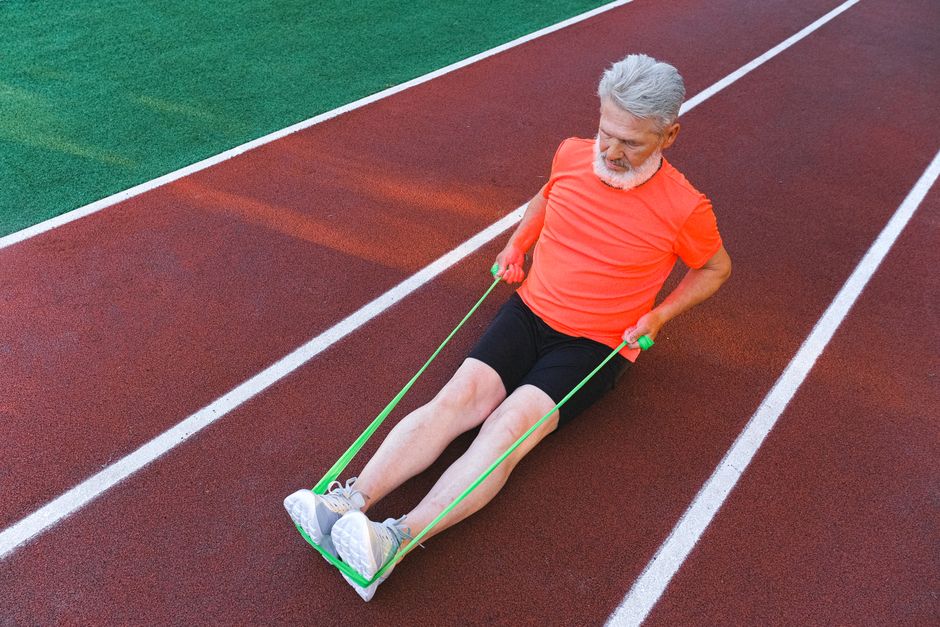
Reaction Time Exercises For Athletes | Exercise Daily
Your reaction time can be trained just like any muscle in your body, and relying solely on drills or practice to improve it is a common misconception. Many athletes believe that their reaction time is a fixed trait, but the truth is that specific reaction time exercises for athletes can significantly enhance performance across various sports. Whether you’re a seasoned athlete or just starting, incorporating targeted reaction time drills into your training regimen can give you the competitive edge you need. For more help, see our fitness performance tips.
Who This Is For
- Athletes looking to improve their competitive performance.
- Beginners wanting to enhance their overall agility and coordination.
- Busy adults seeking efficient routines to fit into their schedules.
- Parents wanting to keep their kids active and engaged in sports.
- Recovering athletes aiming to regain their reaction speed after an injury.
What Most People Get Wrong
Many athletes mistakenly believe that their reaction time is solely dependent on their natural ability and cannot be improved through training. This belief leads to complacency and a lack of effort in developing this crucial skill. Additionally, some athletes focus exclusively on strength and conditioning while neglecting the importance of cognitive and neuromuscular training that directly influences reaction time. The misconception that reaction time is an innate skill often results in athletes overlooking the potential benefits of structured training programs designed to enhance this vital aspect of performance. For more help, see our fitness performance tips.
Another common mistake is performing the same drills repetitively without variation. This can lead to a plateau in performance. Just like any other physical skill, reaction time requires a variety of exercises to improve effectively. Athletes should understand that the brain, like the muscles, benefits from diversity in training. By introducing new challenges and stimuli, athletes can continually engage their nervous systems, thereby improving their reaction abilities. For more help, see our fitness performance tips.
Why This Actually Works
Improving reaction time involves enhancing the communication between your brain and muscles, which can be achieved through specific drills that challenge your speed and cognitive processing. These exercises not only train your physical response but also your mental agility, allowing you to make quicker decisions in competitive situations. The interplay between mental and physical training is crucial; as you improve your decision-making speed, your physical responses can also become quicker and more precise.
Research indicates that reaction time can be improved through consistent practice of drills that incorporate visual, auditory, and tactile stimuli (Harris et al., 2020). By exposing your body to various stimuli, you can train your nervous system to respond faster and more accurately. Moreover, integrating exercises that require multi-sensory engagement can create a more robust training environment, leading to greater adaptability in real-game scenarios. This adaptability is especially important in fast-paced sports where split-second decisions can determine the outcome of a game.
Mistakes to Avoid


As an Amazon Associate, Exercise Daily earns from qualifying purchases. This post may contain affiliate links. Last updated: September 26, 2026
When incorporating reaction time exercises into your training, be cautious of the following mistakes:
- Neglecting Warm-Up: Always warm up before reaction drills to prevent injuries. A proper warm-up increases blood flow to the muscles and prepares your nervous system for quick responses.
- Ignoring Technique: Focus on proper form and technique to ensure effective training. Poor technique can lead to inefficient movements and even injuries, negating the benefits of your training.
- Overtraining: Allow adequate recovery time to help your body adapt and improve. Overtraining can lead to fatigue and decreased performance, making it essential to balance training intensity with rest.
- Sticking to One Type of Drill: Use a variety of drills to target different aspects of reaction time. Different drills can stimulate various muscle groups and cognitive processes, leading to a more comprehensive improvement in reaction capabilities.
Effective Reaction Time Exercises
Below is a table outlining some effective reaction time exercises, including their target muscle groups, sets, reps, difficulty level, and safety cues:
| Exercise | Target Muscle | Sets | Reps | Difficulty | Safety Cue |
|---|---|---|---|---|---|
| Ball Drop Reaction | Full Body | 3 | 10 | Beginner | Stay light on your feet. |
| Agility Ladder Drills | Legs | 4 | 5 | Intermediate | Maintain a low center of gravity. |
| Reaction Ball Drills | Full Body | 3 | 10 | Advanced | Focus on quick hand-eye coordination. |
| Partner Call-Outs | Full Body | 5 | 1 minute | Beginner | Stay alert and responsive. |
| Shadow Boxing with Cues | Full Body | 3 | 3 minutes | Intermediate | Watch your form and movements. |
Beginner Tips
If you’re new to reaction time training, start with simple exercises that require minimal equipment. Here are a few tips to help you get started:
- Begin with basic drills like the ball drop reaction: drop a ball and catch it as quickly as possible. This fundamental exercise helps you develop hand-eye coordination and quick reflexes.
- Incorporate fun games like “Simon Says” or “Red Light, Green Light” to develop quick responses. These games not only make training enjoyable but also instill a sense of competition that can enhance your motivation.
- Practice consistently but keep sessions short to avoid fatigue. Short, focused sessions are often more effective than long, exhausting workouts, especially for beginners.
Advanced Tips
For advanced athletes looking to up their game, consider the following strategies to enhance your reaction time further:
- Incorporate technology such as reaction time apps or video analysis to track improvement. Many apps offer drills and games specifically designed to challenge and improve your reaction speed.
- Use unpredictable stimuli, like a partner calling out commands or using a reaction ball that bounces erratically. These elements add an element of surprise, forcing your brain to adapt quickly to new situations.
- Integrate reaction drills into your sport-specific training to mimic real-game scenarios. For example, if you’re a basketball player, practice catching and shooting in response to a coach’s whistle or signal.
Frequently Asked Questions
1. How often should I train my reaction time?
For optimal results, include reaction time exercises in your training 2-3 times a week, allowing for recovery between sessions. Consistency is key to seeing improvements, but be mindful of your overall training load to prevent burnout.
2. Can reaction time exercises help in all sports?
Yes, reaction time is crucial in most sports, including football, basketball, soccer, and tennis, making these exercises beneficial across various disciplines. Regardless of the sport, quick reaction times can be a game-changer, allowing athletes to respond to opponents and situations more effectively.
3. What age is appropriate to start reaction time training?
Children as young as 6 can start with basic reaction drills, while more advanced techniques can be introduced in adolescence. Early training can lay a solid foundation for athletic development, fostering skills that can be built upon as the athlete matures.
4. How long will it take to see improvements?
With consistent practice, athletes can typically see improvements in reaction time within 4-6 weeks. The rate of improvement can vary based on individual factors such as age, starting skill level, and the intensity of training.
5. Are there any specific diets that can improve reaction time?
A balanced diet rich in antioxidants, omega-3 fatty acids, and hydration can support brain health and cognitive function, indirectly improving reaction times. Foods such as fatty fish, nuts, berries, and leafy greens can provide the nutrients necessary for optimal brain function.
Conclusion
Training your reaction time is not just for elite athletes; it’s a skill that can benefit anyone looking to enhance their physical performance. By incorporating specific reaction time exercises into your routine and avoiding common pitfalls, you can significantly improve this critical aspect of your athletic performance. Remember, consistency is key, and with dedication, you’ll see the results you seek. Explore more about effective exercises at Exercise Daily’s exercise section and start your journey towards faster reactions today!
- References
Eat daily, sleep daily, exercise daily.