
Yoga Routine For Beginners At Home | Exercise Daily
Many people believe that yoga is only for the flexible and fit, but that couldn’t be further from the truth. Yoga is an accessible and beneficial practice for everyone, regardless of their current fitness level. A well-structured yoga routine for beginners at home can help improve flexibility, strength, and mental well-being, making it a perfect choice for those just starting their fitness journey. In this article, we will explore an effective beginner’s yoga routine that can be easily practiced at home, along with tips, common mistakes to avoid, and answers to frequently asked questions. For more help, see our exercise training guides.
Who This Is For
- Beginners looking to start a home workout routine.
- Athletes wanting to enhance their flexibility and recovery.
- Busy adults seeking a quick yet effective way to relieve stress.
- Parents needing a simple way to integrate fitness into their day.
- Individuals recovering from injuries who need gentle movement.
What Most People Get Wrong
One of the biggest misconceptions about yoga is that you need to be flexible to practice it. Many beginners feel discouraged when they can’t achieve advanced poses or when they struggle with balance. The truth is, yoga is about progress, not perfection. The focus should be on listening to your body and finding comfort in the poses rather than striving for an ideal that may not be attainable right away. Remember, every expert was once a beginner. For more help, see our exercise training guides.
Another common mistake is rushing through the poses. Yoga is not just about physical postures; it’s also about breathing and mindfulness. Taking the time to connect with your breath and the sensations in your body can significantly enhance your practice. Each pose has its own rhythm, and slowing down allows you to experience the full benefits of each movement. This mindfulness can transform not only your yoga practice but also your daily life, helping you to cultivate a sense of peace and presence. For more help, see our exercise training guides.
Why This Actually Works
Yoga has been shown to provide numerous benefits, including improved flexibility, increased strength, and enhanced mental clarity. Research published in the National Institutes of Health (NIH) indicates that regular yoga practice can reduce stress levels and improve overall well-being (1). Furthermore, yoga promotes better body awareness, which can lead to improved posture and alignment in daily activities. By establishing a routine at home, you can practice at your own pace and convenience. This flexibility encourages consistency, which is key to reaping the benefits of yoga.
Engaging in a regular practice can also foster a deeper mind-body connection, allowing for more profound relaxation and focus. The practice of yoga encourages you to tune in to your body, understand your limits, and gradually push beyond them in a safe and controlled manner. This gradual progression not only enhances physical capabilities but also builds confidence and resilience, making it a holistic approach to health and wellness.
Mistakes to Avoid


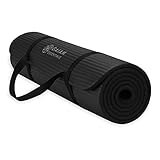


As an Amazon Associate, Exercise Daily earns from qualifying purchases. This post may contain affiliate links. Last updated: October 16, 2026
- Skipping Warm-Up: Always begin with gentle stretches to prepare your body. A proper warm-up increases blood flow to your muscles and enhances flexibility.
- Holding Your Breath: Focus on maintaining a steady breath throughout your practice. Breath is a vital component of yoga and helps to facilitate movement and relaxation.
- Overextending Yourself: Avoid pushing into pain; listen to your body and modify poses as needed. Each individual’s body is unique, and what works for one person may not work for another.
- Neglecting Alignment: Pay attention to your form to prevent injuries. Proper alignment is crucial for maximizing the effectiveness of each pose while minimizing the risk of injury.
- Inconsistent Practice: Aim for regular sessions, even if they are short, to build a habit. Consistency is more important than duration when it comes to developing a successful yoga practice.
Your Beginner Yoga Routine
This beginner-friendly yoga routine can be performed at home, requiring only a yoga mat and a quiet space. Aim to practice this routine 3-4 times a week for best results. Each pose in this routine is designed to build strength, flexibility, and relaxation, making it suitable for all beginners.
| Exercise | Target Muscle | Sets | Duration | Difficulty | Safety Cue |
|---|---|---|---|---|---|
| Mountain Pose | Full body | 1 | 30 seconds | Easy | Keep your feet hip-width apart and shoulders relaxed. |
| Downward Facing Dog | Shoulders, hamstrings | 1 | 30 seconds | Easy | Press through your palms and heels, and keep your back flat. |
| Child’s Pose | Back, hips | 1 | 30 seconds | Easy | Relax your forehead on the mat and breathe deeply. |
| Cobra Pose | Back, chest | 1 | 30 seconds | Medium | Keep your elbows close to your body and lift through your chest. |
| Warrior I | Legs, core | 1 | 30 seconds each side | Medium | Ensure your knee is above your ankle and hips are squared. |
| Tree Pose | Legs, core | 1 | 30 seconds each side | Medium | Focus on a point in front of you to maintain balance. |
Tips for Beginners
As you embark on your yoga journey, here are a few tips to enhance your practice:
- Use Props: Don’t hesitate to use yoga blocks or straps to assist you in achieving poses. Props can help you modify poses to fit your current flexibility and strength levels.
- Stay Hydrated: Drink water before and after your practice to stay hydrated. Hydration is essential for muscle function and overall well-being.
- Set a Routine: Designate specific days and times for your practice to build a habit. Consistency is key, and having a set schedule can help you stay committed.
- Find Online Resources: Use online videos or apps to guide you through your routine. Many platforms offer free resources tailored for beginners, providing visual guidance and motivation.
Advanced Tips for Progression
Once you feel comfortable with the basic poses, consider incorporating these advanced tips into your routine:
- Explore New Poses: Gradually introduce new poses to challenge your body. This not only keeps your practice fresh but also helps you develop a broader range of skills.
- Add Breathing Exercises: Incorporate pranayama techniques to enhance your mindfulness and deepen your practice. Breathing exercises can significantly improve your focus and relaxation.
- Join a Class: Consider attending a local class for personalized guidance and motivation. A teacher can provide valuable feedback on your alignment and help you progress more safely.
Frequently Asked Questions
1. How long should a beginner practice yoga?
Beginners should aim for 15-30 minutes per session, focusing on consistency rather than duration. As you become more comfortable, you can gradually increase the length of your sessions.
2. Do I need a yoga mat?
While a yoga mat is not strictly necessary, it provides cushioning and grip, making your practice more comfortable. A dedicated space for yoga can also help create a mental association with your practice.
3. Can I do yoga every day?
Yes, practicing yoga daily can be beneficial, but listen to your body and allow for rest days as needed. On some days, you may choose to practice gentler poses or restorative yoga.
4. What if I can’t do certain poses?
Modify poses or skip them entirely. Yoga is about finding what feels right for you. There are always variations for poses that can help you adapt to your current level of strength and flexibility.
5. Is yoga good for weight loss?
While yoga may not be the most effective workout for weight loss alone, it can enhance overall fitness and promote healthier lifestyle choices. Incorporating strength-building poses can help increase muscle tone and metabolic rate.
6. How do I stay motivated to practice yoga at home?
Create a dedicated space for your practice, set goals, and remind yourself of the benefits you experience from yoga. Keeping a journal to track your progress and feelings after each session can also serve as a great motivator.
References
- Effects of Yoga on Mental and Physical Health: A Systematic Review – National Institutes of Health
- Yoga for Health: A Systematic Review of the Evidence – PubMed Central
- Yoga – World Health Organization
- American College of Sports Medicine – Resource Library
Incorporating a yoga routine for beginners at home can transform not only your physical health but also your mental clarity and emotional resilience. Remember, the journey is personal, and every small step counts. Eat daily, sleep daily, exercise daily. Embrace your yoga practice as a lifelong journey, and allow it to evolve with you as you grow stronger and more confident in your abilities.
These are for informational purposes only. Consult your doctor and do your own research before use.