Rowing Machine Seat Cushion | Exercise Daily
Many people believe that discomfort during rowing workouts is just a part of the experience, but that couldn’t be further from the truth. A rowing machine seat cushion can significantly enhance your comfort and performance, allowing you to focus on your workout rather than the pain. If you’ve ever found yourself shifting uncomfortably mid-session, investing in a quality seat cushion may be the missing piece to your rowing routine. Rowing machines are excellent for full-body workouts, but the discomfort associated with prolonged periods of sitting can deter even the most dedicated fitness enthusiasts. This article delves into the advantages of using a rowing machine seat cushion, along with practical tips for choosing and utilizing one effectively. For more help, see our exercise training guides.
Who This Is For
- Beginners who are just starting their fitness journey and may not be accustomed to the rowing machine. These individuals might find the initial experience of rowing challenging due to discomfort.
- Experienced rowers looking to increase their workout duration without discomfort. Even seasoned athletes can benefit from additional support.
- Busy adults who want to maximize their time on the machine without interruptions due to soreness. A comfortable cushion can lead to more productive sessions.
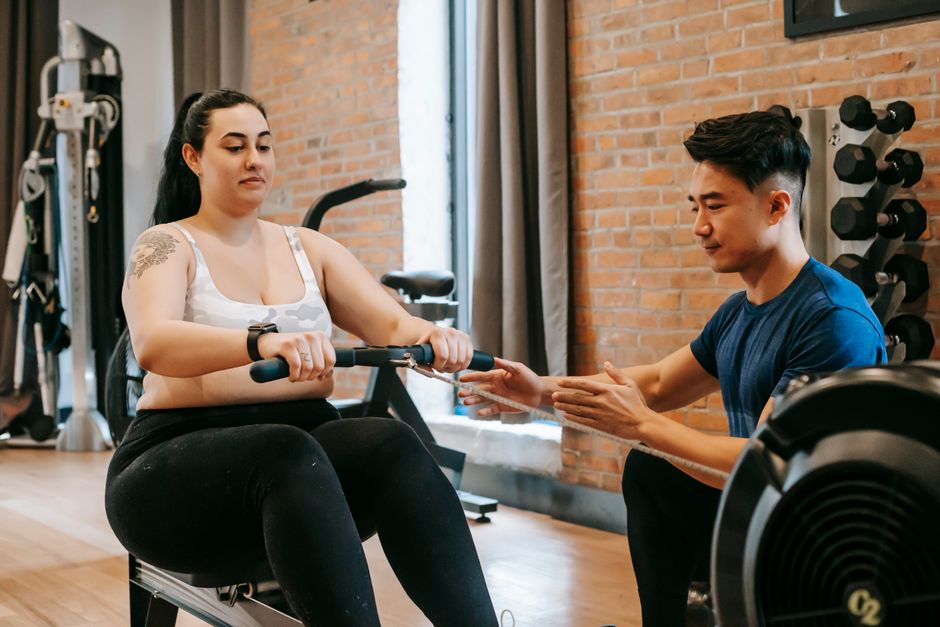
- Overweight users who may need additional support while using rowing machines. A cushion can provide the necessary comfort and stability during workouts.
- Recovering users who have experienced injuries and need a comfortable way to ease back into exercise. A cushion can help them gradually regain their strength without exacerbating pain.
What Most People Get Wrong
One common misconception is that all rowing machines come with comfortable seats, which is not always the case. Many users believe that they should just “tough it out” and get used to the discomfort. This mindset can lead to poor form and reduced performance as discomfort distracts from the workout. Additionally, some assume that seat cushions are only for people with existing pain, neglecting the fact that they can prevent discomfort from developing in the first place. It’s essential to recognize that prioritizing comfort can enhance not only the enjoyment of the workout but also the overall effectiveness of the exercise routine. For more help, see our exercise training guides.
Why This Actually Works
Using a rowing machine seat cushion provides several benefits:
- Enhanced Comfort: A well-designed cushion can alleviate pressure points on your sit bones, which can help you maintain a better posture and form during your workout. This is particularly important in rowing, where proper alignment is crucial for both performance and injury prevention.
- Increased Duration: With improved comfort, you can row for longer periods without the distraction of soreness, allowing for more effective training sessions. This can lead to greater cardiovascular benefits and improved muscle endurance.
- Better Focus: Comfort translates to better focus on your technique and performance rather than on discomfort, leading to overall better workout results. When you’re not preoccupied with pain, you can concentrate on your rowing rhythm and efficiency.
Mistakes to Avoid


As an Amazon Associate, Exercise Daily earns from qualifying purchases. This post may contain affiliate links. Last updated: November 11, 2026 10:41 am
When choosing a rowing machine seat cushion, consider these common mistakes: For more help, see our exercise training guides.
- Choosing the Wrong Material: Some cushions are made from materials that are too soft or too firm. Finding the right balance is essential for comfort. A cushion that is too soft may not provide adequate support, while one that is too firm can lead to discomfort.
- Ignoring Size and Fit: A cushion that is too large or too small can lead to instability. Ensure it fits well on your rowing machine seat. Proper fit is crucial for maintaining proper posture and maximizing comfort during workouts.
- Neglecting Maintenance: Like any equipment, seat cushions need care. Regular cleaning and checking for wear will prolong their life. This includes removing dirt and sweat that can accumulate during workouts, which can affect the cushion’s performance over time.
Practical Tips for Choosing and Using a Rowing Machine Seat Cushion
Here are some practical tips to help you select the right rowing machine seat cushion and use it effectively:
- Test Before You Buy: If possible, try out different cushions in-store. This will help you find the right level of comfort. Many retailers allow customers to test products, so take advantage of this opportunity.
- Look for Non-Slip Features: Cushions with a non-slip bottom will stay in place better during your workout. This feature is particularly important for maintaining stability during intense sessions.
- Consider Thickness: A thicker cushion may provide more comfort, but ensure it doesn’t raise your seating position too much, which can affect your rowing form. The right thickness can enhance comfort while still allowing for proper leg extension and movement.
Example Cushion Comparison
| Brand | Material | Thickness | Benefits | Caution |
|---|---|---|---|---|
| Brand A | Memory Foam | 2 inches | Great for shock absorption, conforms to body shape | May retain heat, could lead to discomfort during long sessions |
| Brand B | Gel | 1.5 inches | Cool and comfortable, distributes weight evenly | Can be slippery, may require a non-slip cover |
| Brand C | High-Density Foam | 2.5 inches | Durable and supportive, ideal for long-term use | Can be too firm for some, might require a break-in period |
Beginner Tips
If you’re new to using a rowing machine, start with shorter sessions to allow your body to adapt. A cushion can help reduce the learning curve associated with discomfort. Make sure to adjust your rowing technique; keep your back straight and engage your core for better support. Additionally, using a cushion can help you develop proper rowing habits from the start, as it encourages you to maintain good posture and reduces the likelihood of injury.
Advanced Tips
For seasoned rowers, consider integrating a cushion into your longer training sessions. Additionally, vary your rowing intensity and duration to see how different cushions perform under varied conditions. This can help you find the best fit for your specific workout needs. Advanced rowers may also benefit from experimenting with different rowing techniques while using a cushion to see how it impacts their performance and comfort levels.
Frequently Asked Questions
1. How do I clean my rowing machine seat cushion?
Most cushions can be wiped down with a damp cloth and mild soap. Check the manufacturer’s instructions for specific cleaning guidelines. Regular cleaning is important to maintain hygiene and prolong the life of the cushion.
2. Can I use a regular gym cushion on my rowing machine?
While you can, it’s best to use a cushion specifically designed for rowing machines to ensure proper fit and support. Regular gym cushions may not provide the necessary stability or comfort for rowing activities.
3. How thick should a rowing machine seat cushion be?
The thickness can vary based on personal preference, but typically, 1.5 to 2.5 inches is a common range for comfort without compromising stability. It’s important to choose a thickness that complements your body type and rowing style.
4. Will a seat cushion improve my rowing performance?
Yes, by increasing comfort, a cushion allows you to focus on your form and technique, which can lead to better performance. Comfort can reduce fatigue and help you maintain your energy levels throughout your workout.
5. Are there any cushions that can help with back pain?
Some cushions are designed with lumbar support, which can help alleviate back pain during rowing sessions. These cushions can provide additional support to the lower back, promoting a healthy posture while rowing.
Extra Value: Quick Checklist for Choosing a Rowing Machine Seat Cushion
- Check the material for comfort and durability. Look for materials that provide both support and breathability.
- Ensure the size fits your rowing machine seat. A proper fit is crucial for safety and comfort.
- Look for features like non-slip bottoms. This can prevent the cushion from moving during your workout.
- Read reviews for real-world user experiences. Feedback from other users can provide valuable insights into the cushion’s performance.
- Consider your personal comfort preferences. Everyone has different needs, so choose a cushion that feels right for you.
Investing in a rowing machine seat cushion can transform your workouts from uncomfortable to enjoyable. By addressing the common misconceptions and understanding the benefits, you can enhance your rowing experience significantly. Remember, the right cushion not only supports your body but also supports your fitness goals. With the right cushion, you can focus on achieving your personal best in your rowing workouts, paving the way for improved fitness and well-being.
- References
American College of Sports Medicine
National Strength and Conditioning Association
Eat daily, sleep daily, exercise daily.
These are for informational purposes only. Consult your doctor and do your own research before use.