Gentle Strength Training At Home | Exercise Daily
Forget the myth that strength training requires heavy weights and intense workouts; gentle strength training at home can be just as effective for building muscle and improving overall health. Many people believe that to gain strength, they must push themselves to their limits at the gym, but this isn’t true. Gentle strength training is a fantastic way to enhance your fitness level without the stress and strain often associated with traditional workouts. It’s accessible to everyone, from beginners to seasoned athletes looking for a lower-impact option. For more help, see our exercise training guides.
Who This Is For
- Beginners who are starting their fitness journey and want to build a strong foundation.
- Busy adults looking for effective workouts that can be done in a short time.
- Parents who need to fit exercise into a packed schedule.
- Individuals recovering from injuries or those with chronic conditions seeking gentle movement.
- Older adults aiming to maintain strength and balance.
- Fitness enthusiasts who want to incorporate low-impact options into their routine to reduce the risk of injury.
What Most People Get Wrong
One common misconception is that strength training is only about lifting heavy weights. Many people shy away from it, thinking they need to join a gym or invest in expensive equipment. This belief can prevent them from experiencing the benefits that strength training can provide, such as improved muscle tone, better metabolism, and enhanced bone density. Another error is the idea that you need to work out for long hours to see results. In reality, short, focused sessions can be incredibly effective. For more help, see our exercise training guides.
Moreover, some individuals may believe that strength training is solely for younger people or those who are already fit. However, gentle strength training is an inclusive practice that can benefit people of all ages and fitness levels. It’s important to recognize that building strength can enhance functionality in everyday life, making tasks easier and improving overall quality of life. For more help, see our exercise training guides.
Why This Actually Works
Gentle strength training focuses on using your body weight or light resistance to build strength and endurance. This approach is effective because it allows for consistent, manageable workouts that can fit into any schedule. Studies show that resistance training, even at lower intensities, can significantly improve muscle strength and functional capacity in various populations (American College of Sports Medicine, 2018). This means that you can achieve your fitness goals without the fear of injury or burnout.
Additionally, gentle strength training encourages proper form and technique, which is crucial for preventing injuries. It’s not just about lifting weights; it’s about engaging your muscles correctly and safely. This method is sustainable, making it easier to adhere to a regular workout routine over time. The gradual progression in difficulty allows your body to adapt without overwhelming it, which is particularly beneficial for those new to exercise or returning after a break.
Mistakes to Avoid


As an Amazon Associate, Exercise Daily earns from qualifying purchases. This post may contain affiliate links. Last updated: October 7, 2026
While gentle strength training is safer than more intense workouts, there are still mistakes to watch out for:
- Skipping Warm-Ups: Always start with a warm-up to prepare your muscles and joints. A warm-up increases blood flow and reduces the risk of injury.
- Neglecting Form: Focus on maintaining proper form rather than lifting heavier weights. This ensures safety and effectiveness. Consider using mirrors or filming yourself to check your form.
- Overdoing It: Listen to your body. Start with shorter sessions and gradually increase duration and intensity. Overtraining can lead to fatigue and injury.
- Ignoring Recovery: Allow time for your muscles to recover. Incorporate rest days into your routine to prevent overuse injuries. Active recovery, such as gentle stretching or walking, can be beneficial.
- Not Staying Hydrated: Hydration is crucial for optimal performance and recovery. Ensure you’re drinking enough water before, during, and after your workouts.
Sample Routine
Here’s a simple, gentle strength training routine you can do at home. Adjust the sets and reps based on your fitness level:
| Exercise | Target Muscle | Sets | Reps | Difficulty | Safety Cue |
|---|---|---|---|---|---|
| Bodyweight Squats | Legs, Glutes | 3 | 10-15 | Easy | Keep knees aligned with toes. |
| Wall Push-Ups | Chest, Arms | 3 | 8-12 | Easy | Maintain a straight line from head to heels. |
| Seated Leg Raises | Core | 3 | 10-15 | Easy | Engage your core throughout the movement. |
| Standing Calf Raises | Calves | 3 | 10-15 | Easy | Keep your balance and avoid leaning forward. |
Feel free to modify the exercises as needed. For instance, if bodyweight squats are too challenging, you can perform chair squats, where you sit back onto a chair and stand up again, which provides additional support. Alternatively, if you find wall push-ups to be too easy, you can progress to knee push-ups or regular push-ups, depending on your comfort level.
Beginner Tips
If you’re new to strength training, start with bodyweight exercises before adding resistance. This allows you to master the movements and build confidence. Aim for 2-3 sessions per week, focusing on different muscle groups to allow recovery. You can also incorporate flexibility and balance exercises, such as yoga or tai chi, which complement strength training well. These practices can improve your overall mobility and reduce the risk of falls.
Additionally, consider keeping a workout journal to track your progress. Documenting your workouts can help you stay motivated and accountable. You can note down the exercises you performed, the number of sets and reps, how you felt during the workout, and any adjustments you made. This information can be invaluable as you progress and set new goals.
Advanced Tips
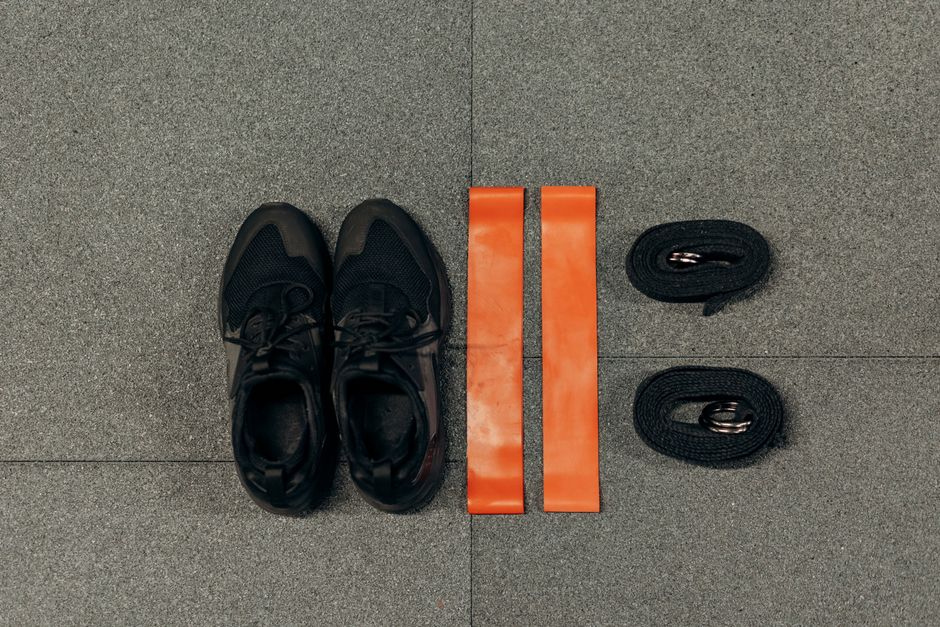
Once you’re comfortable with basic movements, consider incorporating light weights or resistance bands. This can enhance your workout’s effectiveness without increasing the risk of injury. Resistance bands are particularly versatile and can be used to add resistance to a variety of exercises, including squats and arm curls. You can also explore using household items, like water bottles or backpacks filled with books, for added weight.
Additionally, try to challenge yourself by increasing the number of sets or reps gradually. Introducing variations to your routine, such as changing the tempo of your movements or incorporating balance challenges, can also keep things interesting and prevent plateaus. For example, performing slow, controlled movements can increase time under tension, which is beneficial for muscle growth.
Frequently Asked Questions
1. Can I do gentle strength training every day?
It’s best to allow at least one day of rest between strength training sessions targeting the same muscle groups to promote recovery. However, you can engage in light activities, such as walking or gentle stretching, on rest days.
2. What equipment do I need for gentle strength training?
You can start with just your body weight. As you progress, consider using resistance bands or light dumbbells. If you prefer not to purchase equipment, you can use items around your home, like canned goods or filled water bottles, for resistance.
3. How long should my workouts be?
Even 20-30 minutes can be effective if focused on quality movements. Consistency is key. If you’re short on time, remember that shorter workouts can still yield significant benefits when performed regularly.
4. Is gentle strength training effective for weight loss?
Yes, when combined with proper nutrition, gentle strength training can help create a calorie deficit, leading to weight loss. Incorporating cardiovascular exercises, such as walking or cycling, alongside strength training can further enhance fat loss.
5. What if I have a chronic condition?
Always consult with a healthcare provider before starting a new exercise program, especially if you have any chronic conditions. They can provide personalized recommendations and ensure that your exercise routine is safe and effective for your specific situation.
Extra Value: Mini Routine
Here’s a quick 10-minute routine you can do anytime:
- Warm-up: March in place for 2 minutes.
- Bodyweight Squats: 10 reps.
- Wall Push-Ups: 8 reps.
- Seated Leg Raises: 10 reps.
- Standing Calf Raises: 10 reps.
- Cool down: Stretch your arms and legs for 2 minutes.
This mini routine can be easily integrated into your day, whether you have a break at work or a few minutes before dinner. Consider setting reminders throughout your day to encourage movement, as even short bouts of exercise can accumulate to significant health benefits over time.
Conclusion
Gentle strength training at home is an effective way to improve your fitness level without the need for a gym or heavy equipment. By focusing on proper form and consistency, you can achieve meaningful results. Embrace this gentle approach to strength training, and you’ll find it not only enhances your physical strength but also contributes to your overall well-being. Remember that the journey towards fitness is personal and should be tailored to fit your lifestyle and preferences. Celebrate your progress, no matter how small, and enjoy the process of becoming stronger and more resilient.
- References
- American College of Sports Medicine. (2018). Resistance training for health and fitness.
- The role of strength training in the management of obesity.
- Resistance training for health and rehabilitation.
- World Health Organization. (2020). Physical activity.
- Centers for Disease Control and Prevention. (2021). Physical activity basics.
Eat daily, sleep daily, exercise daily.