Low Cost Fitness Tools For Home | Exercise Daily
Think you need a gym membership or expensive equipment to get fit at home? Think again! Low cost fitness tools for home can offer just as effective workouts without breaking the bank. Many people assume that high-priced machines or memberships are necessary for achieving fitness goals, but this couldn’t be further from the truth. With the right low-cost tools, you can create a diverse workout regimen that suits your budget and space. For more help, see our exercise training guides.
Who This Is For
- Beginners looking to establish a home workout routine without significant investment.
- Busy adults who need quick, efficient workouts that can be done at home.
- Parents who want to squeeze in exercise while managing family responsibilities.
- Individuals recovering from injuries seeking low-impact options.
- Fitness enthusiasts wanting to supplement gym workouts with at-home routines.
What Most People Get Wrong
One of the biggest misconceptions is that effective workouts require expensive equipment. Many individuals overlook budget-friendly options like resistance bands, dumbbells, or even bodyweight exercises, believing they won’t provide a sufficient challenge. In reality, these tools can be incredibly versatile and effective for building strength, endurance, and flexibility. For example, resistance bands can mimic the tension provided by weights, allowing for a full range of motion and adapting to various exercises. For more help, see our exercise training guides.
Another common mistake is focusing solely on cardio or strength training. A well-rounded fitness routine incorporates various elements, including flexibility and balance, which can easily be achieved with minimal equipment. For instance, yoga can improve flexibility and balance, while also providing a low-impact workout that is gentle on the joints. It’s crucial to understand that a balanced approach not only enhances overall fitness but also reduces the risk of injury by ensuring that all muscle groups are engaged. For more help, see our exercise training guides.
Why This Actually Works
Low cost fitness tools for home work because they allow for versatility and creativity in workouts. For example, resistance bands can be used for strength training, stretching, and rehabilitation, making them an invaluable tool for all fitness levels. Moreover, bodyweight exercises such as push-ups, squats, and planks require no equipment at all and can be modified to increase or decrease difficulty based on individual fitness levels and goals.
Additionally, research shows that bodyweight training can be just as effective as traditional weight training for building muscle and improving fitness levels (ACSM, 2020). This makes investing in low-cost tools a smart choice for anyone looking to improve their health and fitness. The adaptability of these tools means that workouts can be tailored to fit personal preferences and progress over time, which is essential for long-term commitment and success in any fitness journey.
Mistakes to Avoid


As an Amazon Associate, Exercise Daily earns from qualifying purchases. This post may contain affiliate links. Last updated: October 23, 2026
When starting with low cost fitness tools, avoid these common pitfalls:
- Neglecting form: Always prioritize proper technique over the number of reps or resistance level to prevent injury. Poor form can lead to strain and setbacks, making it crucial to learn the correct movements from the outset.
- Not varying workouts: Sticking to the same routine can lead to plateaus. Incorporate different exercises and tools to keep things fresh and challenging. Variation also helps to engage different muscle groups and prevent boredom.
- Overtraining: Ensure adequate rest and recovery time. Low-cost tools can lead to intense workouts, but your body needs time to heal. Incorporating rest days and lighter workout sessions can help sustain long-term fitness without burnout.
Practical Low Cost Fitness Tools
Here’s a list of some effective low cost fitness tools you can use at home:
| Tool | Use Case | Benefit | Caution | Best For |
|---|---|---|---|---|
| Resistance Bands | Strength training | Portability and versatility | Ensure bands are not frayed or damaged | All fitness levels |
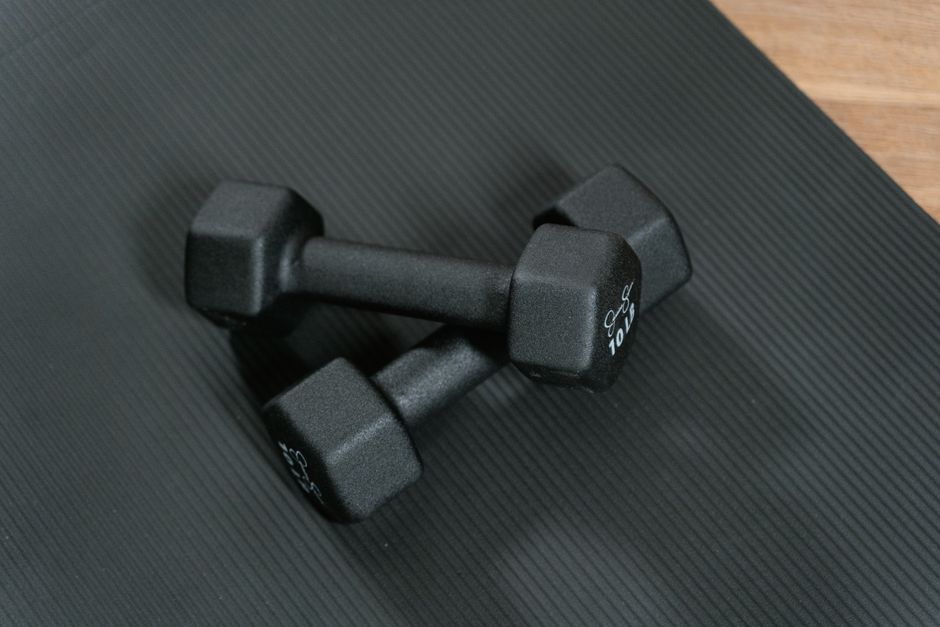
| Dumbbells | Strength training | Targets multiple muscle groups | Start with lighter weights to avoid injury | Beginners and advanced users |
| Yoga Mat | Yoga and stretching | Provides cushioning and stability | Keep it clean to prevent slippage | All users |
| Jump Rope | Cardio | Improves coordination and endurance | Be cautious of overhead space | All fitness levels |
| Stability Ball | Core strength | Enhances balance and stability | Ensure proper inflation to avoid bursting | Intermediate users |
Beginner Tips
For those just starting out with low-cost fitness tools, consider these beginner tips:
- Start with bodyweight exercises to build a foundation before adding weights. This helps to develop strength and understanding of movement patterns.
- Incorporate short, high-intensity interval training (HIIT) sessions using your tools. HIIT can be an effective way to maximize calorie burn and improve cardiovascular fitness in a short amount of time.
- Use online resources or fitness apps to find guided workouts that utilize your equipment. Many platforms offer free or low-cost workouts tailored to various fitness levels and goals, making it easier to stay motivated and engaged.
Advanced Tips
If you’re more experienced, try these advanced strategies:
- Combine different tools in a single workout for a full-body challenge. For instance, pair resistance bands with dumbbells for a comprehensive strength training session that engages multiple muscle groups.
- Incorporate supersets or circuit training to maximize efficiency and intensity. This approach involves performing two exercises back-to-back with minimal rest in between, which can elevate heart rate and enhance muscular endurance.
- Track your progress with a fitness journal, noting improvements in strength and endurance. Keeping a record of your workouts can help you identify trends, set new goals, and maintain motivation.
Frequently Asked Questions
1. What are the best low-cost fitness tools for beginners?
Resistance bands and dumbbells are excellent choices. They are versatile and can be used for a variety of exercises, allowing beginners to gradually increase their resistance and complexity as they progress.
2. How can I create a balanced workout routine at home?
Incorporate strength training, cardio, flexibility, and balance exercises. Use different tools to keep your workouts engaging. A sample week could include strength training on two days, cardio on two days, and yoga or stretching on another day, ensuring that all aspects of fitness are covered.
3. Are bodyweight exercises effective for building muscle?
Yes! Bodyweight exercises can be very effective, especially when performed with proper form and intensity. Variations can be introduced to increase difficulty, such as elevating feet during push-ups or adding explosive movements like jump squats.
4. How often should I work out with low-cost fitness tools?
Aim for at least 150 minutes of moderate aerobic activity or 75 minutes of vigorous activity each week, combined with strength training on two or more days. This frequency allows for adequate recovery while promoting overall fitness.
5. Can I achieve weight loss with low-cost fitness tools?
Absolutely! Coupling regular workouts with a balanced diet can lead to effective weight loss. Consistency is key; the more regularly you engage in physical activity, the better your chances of achieving your weight loss goals.
Conclusion
Investing in low cost fitness tools for home can empower you to take control of your fitness journey without overspending. By incorporating simple yet effective tools like resistance bands, dumbbells, and bodyweight exercises, you can create a comprehensive workout routine that fits your lifestyle. Remember, consistency and variety are key to seeing results. So, get started today and experience the benefits of cost-effective fitness tools!
- References
Eat daily, sleep daily, exercise daily.
These are for informational purposes only. Consult your doctor and do your own research before use.