Exercise Daily _ AI Smart Posture Correction Wearable
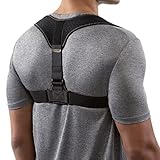
Many people believe that simply sitting up straight is enough to correct poor posture, but this couldn’t be further from the truth. In reality, posture is a complex interplay of muscle engagement, body awareness, and habitual movement patterns. Just like trying to lose weight by only cutting calories without considering nutrition, assuming that conscious effort alone can fix posture is a recipe for failure. This is where AI smart posture correction wearables come into play, revolutionizing how we approach posture management.
Who This Is For
- Beginners looking to improve their posture for better health and confidence.
- Athletes aiming to enhance performance through optimal body alignment.
- Busy adults who spend long hours at a desk and struggle with back pain.
- Parents juggling multiple responsibilities who need quick, effective solutions.
- Overweight users who may face additional challenges in maintaining good posture.
- Recovering users who are working to regain strength and stability after injury.
What Most People Get Wrong



As an Amazon Associate, Exercise Daily earns from qualifying purchases. This post may contain affiliate links. Last updated: October 22, 2026
A common misconception about posture correction is that it solely relies on willpower and self-discipline. While these attributes are important, they are insufficient in isolation. Many individuals attempt to correct their posture by simply trying to remember to sit or stand up straight, but this approach often leads to frustration and further discomfort. This is particularly true in a world where our daily routines can lead to prolonged periods of sedentary behavior, which exacerbates poor posture.
Additionally, many people overlook the role of muscle imbalances and the need for targeted exercises. For example, a person may sit with a rounded back due to tight chest muscles and weak upper back muscles. Without addressing these imbalances through strength training and stretching, any attempts at conscious posture correction may be futile. It’s vital to recognize that posture correction is a multifaceted process that involves not only awareness but also physical conditioning and flexibility.
Explore more in our Exercise section.
Furthermore, some individuals rely on traditional posture-correcting devices that can be uncomfortable and fail to provide real-time feedback. This can lead to a lack of adherence and ultimately, no improvement. The effectiveness of posture correction hinges not just on awareness but on consistent, intelligent feedback that adapts to individual needs—something that AI smart posture wearables excel at. These devices can analyze your movements and provide insights that are tailored to your specific posture challenges, making them a more effective solution than conventional methods.
Why This Actually Works
AI smart posture correction wearables utilize advanced technology to monitor your posture in real-time. These devices can provide immediate feedback, allowing users to make necessary adjustments throughout their day. The integration of artificial intelligence allows for personalized coaching based on the user’s unique posture patterns, making them far more effective than traditional methods. They not only track your posture but also learn from your habits over time, offering suggestions based on your progress.
For instance, a recent study published in the Journal of Rehabilitation Research and Development found that wearable devices significantly improved participants’ posture and reduced discomfort over time compared to those who received no intervention. This highlights the importance of real-time monitoring and tailored feedback in achieving lasting change. The study also reported that participants who used wearables felt more empowered to take control of their posture, leading to a greater sense of ownership over their health.
Explore more in our Fitness section.
Moreover, many of these devices come equipped with features such as reminders to move, which can combat the negative effects of prolonged sitting. Research from the American Journal of Preventive Medicine emphasizes the importance of regular movement in preventing musculoskeletal disorders, further supporting the case for smart wearables. These reminders can be particularly beneficial for those in sedentary jobs, as they encourage regular breaks and stretches that can mitigate the adverse effects of sitting for extended periods.
In practical terms, consider a busy professional who spends hours in front of a computer. An AI posture correction wearable can alert them when they slouch or hunch over, prompting them to correct their posture before it becomes a habit. This immediate feedback loop is crucial for breaking the cycle of poor posture. By incorporating these devices into their daily routine, users can develop a proactive approach to their posture, leading to long-term improvements in their spinal health.
Integrating AI Wearables into Your Daily Routine
To maximize the benefits of an AI smart posture correction wearable, consider the following strategies:
Explore more in our Nutrition section.
- Set Realistic Goals: Begin with small, achievable goals for your posture. For example, aim to maintain good posture for 30 minutes every hour. This incremental approach allows you to build awareness gradually without feeling overwhelmed.
- Combine with Strength Training: Incorporate exercises that strengthen your back and core muscles. This will provide the necessary support for maintaining good posture. Exercises such as rows, planks, and bridges can be particularly effective.
- Use Feedback Wisely: Pay attention to the alerts and feedback from your wearable. Use them as a guide to develop awareness of your body’s positioning. Over time, this will help you internalize good posture habits without needing constant reminders.
- Stay Consistent: Make wearing the device a part of your daily routine. Consistency is key to reprogramming your muscle memory. Try to wear the device during all activities, including workouts, to ensure comprehensive feedback.
- Pair with Mindfulness Practices: Engage in mindfulness practices to enhance your body awareness. Yoga or Pilates can complement the feedback from your wearable. These practices not only improve flexibility and strength but also increase your awareness of body alignment.
Real-World Examples of Success
Numerous individuals have reported significant improvements in their posture and overall comfort after integrating AI smart posture correction wearables into their lives. For example, Sarah, a graphic designer who spent long hours at her workstation, struggled with upper back pain. After using a posture correction device, she received real-time alerts that reminded her to adjust her position. Within weeks, she noticed a marked decrease in her discomfort and increased productivity. Her experience exemplifies how these devices can lead to tangible health benefits when used consistently.
Similarly, Jake, an athlete, utilized a posture wearable during his training sessions. The device helped him identify and correct subtle misalignments that could lead to injuries. By receiving immediate feedback, he improved his performance and reduced his risk of injury, showcasing the effectiveness of these devices in both rehabilitative and performance contexts. His story illustrates how athletes can leverage technology not just for performance enhancement but also for injury prevention.
Moreover, testimonials from users across various demographics underscore the versatility and effectiveness of AI posture correction wearables. For instance, a busy parent noted that the device helped her remember to take breaks and stretch, which significantly improved her energy levels and reduced fatigue. Similarly, older adults have reported enhanced balance and mobility, which can be attributed to improved posture and body alignment facilitated by these smart devices.
Frequently Asked Questions
1. How do AI smart posture wearables work?
AI smart posture wearables use sensors to monitor your body’s alignment and movement. They provide real-time feedback through vibrations or alerts, encouraging you to correct your posture as needed. This feedback is often customizable, allowing users to set parameters that suit their specific needs.
2. Can these devices help with chronic back pain?
Yes, many users report reduced back pain after using posture correction wearables. By promoting better alignment and awareness, these devices can help alleviate discomfort associated with poor posture. Moreover, they can serve as a motivational tool for users to engage in regular physical activity, which is essential for managing chronic pain.
3. Are there any drawbacks to using posture correction wearables?
Some users may experience discomfort while wearing the device initially, and there may be a learning curve in adapting to the feedback. However, with consistent use, most people find it beneficial. It’s also important to choose a device that fits well and suits your lifestyle to minimize any potential discomfort.
Conclusion
AI smart posture correction wearables represent a transformative approach to managing and improving posture. By providing real-time feedback and personalized coaching, these devices challenge the outdated notion that posture correction is solely a matter of willpower. With evidence backing their effectiveness, integrating such technology into daily life can lead to significant improvements in both posture and overall well-being. The path to better posture is not merely about standing tall; it involves understanding one’s body and making informed adjustments throughout the day.
As we continue to embrace technology in our health and fitness journeys, the future of posture correction looks promising. Remember, it’s not just about standing tall; it’s about moving well and feeling great. Invest in your posture today and experience the difference! The integration of AI into our daily health practices opens up new avenues for enhancing our quality of life and overall functionality.
- References
- Journal of Rehabilitation Research and Development
- American Journal of Preventive Medicine
- International Journal of Environmental Research and Public Health
- Journal of Physical Therapy Science
- Applied Ergonomics
Eat daily, sleep daily, exercise daily.
These are for informational purposes only. Consult your doctor and do your own research before use.