Brain And Body Coordination Exercises | Exercise Daily
Many believe that coordination is an innate talent, but the truth is that brain and body coordination exercises can be developed and refined by anyone, regardless of age or fitness level. This common misconception leads many to overlook the essential role that practice plays in enhancing coordination skills. These exercises not only improve physical performance but also boost cognitive function, making them a vital addition to any fitness routine. Engaging in brain and body coordination exercises can lead to a more balanced and agile body, ultimately enhancing your quality of life. For more help, see our exercise training guides.
Who This Is For
- Beginners looking to improve overall fitness and coordination.
- Athletes aiming to enhance performance in their specific sports.
- Busy adults seeking efficient workouts that can be done at home.
- Parents wanting to engage their children in fun physical activities.
- Individuals recovering from injuries who need to regain coordination.
What Most People Get Wrong
A prevalent mistake is the assumption that coordination exercises are only for athletes or dancers. In reality, everyone can benefit from these exercises, regardless of their current fitness level. Many people also overlook the mental component of coordination. They focus solely on physical movements without realizing that coordination involves a significant amount of brain engagement. This misconception can prevent individuals from realizing their potential in improving their coordination skills. For more help, see our exercise training guides.
Another common oversight is the belief that coordination can be improved overnight. Like any other skill, it requires consistent practice and patience. Skipping foundational exercises in favor of advanced routines can lead to frustration and injury. It’s important to understand that building coordination is a gradual process that involves developing muscle memory and enhancing neural connections. For more help, see our exercise training guides.
Why This Actually Works
Brain and body coordination exercises work by enhancing the communication between the brain and muscles, improving neural pathways that are essential for movement. According to research published in the Journal of Neuroscience, regular practice of coordination drills can lead to increased brain plasticity, which helps in learning new skills and adapting to physical challenges. This plasticity is crucial not only for athletes but also for everyday activities, as it allows individuals to respond more effectively to their environments.
Moreover, these exercises engage multiple muscle groups, contributing to better overall fitness. They also improve balance, agility, and reaction time, which are crucial for daily activities and sports performance. By integrating coordination exercises into your routine, you are essentially training your brain to process information and execute motor skills more efficiently, which can lead to enhanced performance in various physical activities.
Mistakes to Avoid




As an Amazon Associate, Exercise Daily earns from qualifying purchases. This post may contain affiliate links. Last updated: September 26, 2026
When incorporating brain and body coordination exercises into your routine, be mindful of the following mistakes:
- Neglecting Warm-up: Always start with a proper warm-up to prepare your muscles and joints. A good warm-up increases blood flow and reduces the risk of injury.
- Overtraining: Avoid excessive training without rest, which can lead to burnout or injury. Your body needs time to recover and adapt to the new demands placed on it.
- Skipping Fundamentals: Don’t rush to advanced exercises; solidify your basics first. Mastery of foundational movements is essential for progress.
- Ignoring Feedback: Pay attention to your body’s signals. If you feel pain, adjust your movements accordingly. Listening to your body is key to preventing injuries and ensuring long-term success.
Practical Coordination Exercises
Here are some effective brain and body coordination exercises that you can integrate into your routine. They range from beginner to advanced levels, ensuring that everyone can find something suitable. Each exercise is designed not only to challenge your coordination but also to engage your mind, making the workout both physically and mentally stimulating.
| Exercise | Target Muscle | Sets | Reps | Difficulty | Safety Cue |
|---|---|---|---|---|---|
| Single-leg Balance | Legs, Core | 3 | 30 seconds each leg | Beginner | Keep your core engaged. |
| Heel-to-Toe Walk | Legs, Core | 3 | 10 steps forward | Beginner | Focus on slow, controlled movements. |
| Side-to-Side Hops | Legs, Core | 3 | 15 hops | Intermediate | Land softly to protect your joints. |
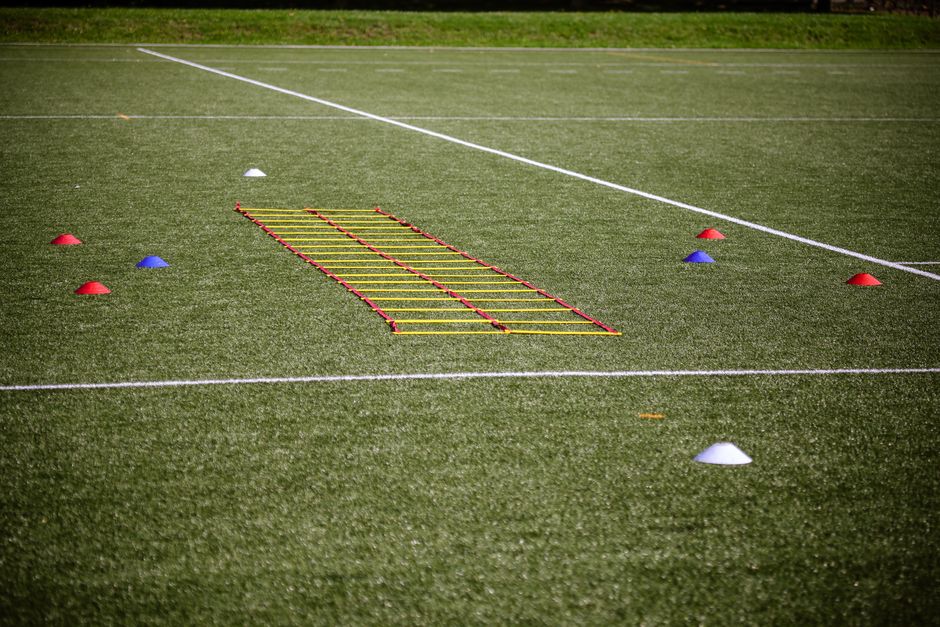
| Agility Ladder Drills | Full Body | 3 | 5 minutes | Advanced | Stay light on your feet. |
| Ball Toss with Partner | Arms, Core | 3 | 10 tosses each | All Levels | Focus on eye-hand coordination. |
Beginner Tips
If you’re new to coordination exercises, start with simple movements. Focus on mastering your balance before adding complexity. Here are a few tips to help you get started:
- Use a wall or chair for support during balance exercises. This allows you to build confidence while you develop your skills.
- Practice in a quiet environment to minimize distractions. A calm space can help you concentrate on your movements and improve your focus.
- Incorporate fun activities like dancing or playing catch. Making coordination practice enjoyable can increase your motivation and adherence to your fitness routine.
- Start with short sessions and gradually increase the duration as you become more comfortable. This approach helps prevent overwhelm and encourages consistent practice.
Advanced Tips
For those looking to take their coordination to the next level, consider the following strategies:
- Add resistance with bands or weights to your exercises. This can enhance muscle engagement and increase the challenge of your workouts.
- Incorporate complex movements that require multitasking, like combining balance with throwing a ball. This not only challenges your coordination but also sharpens your cognitive skills.
- Challenge yourself with new activities such as martial arts or dance classes. Engaging in diverse physical activities can keep your workouts fresh and exciting while improving your overall coordination.
- Record your sessions and review your form. Self-assessment can provide valuable insights into your progress and areas needing improvement.
Frequently Asked Questions
1. How often should I practice coordination exercises?
Aim for at least 2-3 times a week for noticeable improvements. Consistency is key. Just like any skill, regular practice will yield the best results.
2. Can coordination exercises help with aging?
Yes, these exercises can enhance balance and reduce the risk of falls, making them beneficial for older adults. Improved coordination can lead to greater independence in daily activities.
3. What are some good warm-up exercises?
Dynamic stretching, light jogging, and mobility drills are excellent warm-up choices to prepare your body. A proper warm-up increases blood flow to the muscles and enhances your range of motion.
4. How can I make these exercises more fun?
Incorporate games, music, or partner workouts to make coordination exercises more engaging. You can also set challenges for yourself or join group classes to enhance the social aspect of your workouts.
5. Are there any specific sports that benefit more from coordination training?
Sports like basketball, soccer, and gymnastics heavily rely on coordination, so athletes in these fields can see significant benefits. However, coordination training is valuable for all sports, as it enhances overall performance and reduces injury risk.
Extra Value: Quick Coordination Routine
Here’s a quick routine you can do anywhere to boost your coordination:
- Warm-up: 5 minutes of light jogging or dynamic stretches.
- Single-leg Balance: 30 seconds each leg.
- Heel-to-Toe Walk: 10 steps forward.
- Side-to-Side Hops: 15 hops.
- Cool down with gentle stretching.
Incorporating brain and body coordination exercises into your fitness routine can lead to significant improvements in both physical performance and cognitive function. Remember that practice and patience are essential. Start with the basics, and gradually challenge yourself as you become more comfortable with these exercises. As you progress, you’ll find that your ability to move fluidly and efficiently enhances not only your athletic performance but also your daily activities.
Eat daily, sleep daily, exercise daily. With each step you take towards improving your coordination, you are investing in your health and well-being, paving the way for a more active and fulfilling life.