Cognitive Fitness Exercises For Athletes | Exercise Daily
Cognitive fitness is just as crucial as physical fitness for athletes, yet many overlook its significance, believing that only physical training matters. The misconception that mental training is secondary can hinder performance. Cognitive fitness exercises for athletes not only enhance decision-making and reaction times but also improve overall mental resilience. This article will provide you with practical exercises to sharpen your cognitive skills and elevate your athletic performance. For more help, see our exercise training guides.
Who This Is For
- Athletes looking to enhance their mental performance alongside physical training.
- Coaches seeking effective strategies to improve their athletes’ cognitive abilities.
- Busy adults wanting to integrate cognitive fitness into their daily routines.
- Parents who want to encourage their children in sports to develop both physical and mental skills.
- Recovering athletes needing to rebuild focus and mental agility after injury.
What Most People Get Wrong
Many athletes mistakenly believe that cognitive fitness exercises are unnecessary or that they should only focus on physical drills. This belief often leads to a lack of mental preparedness during competitions. Cognitive abilities such as focus, memory, and quick decision-making are critical in high-pressure situations. Neglecting these skills can result in suboptimal performance, even if an athlete is physically fit. For more help, see our exercise training guides.
Moreover, some may think that cognitive exercises only involve traditional methods like puzzles or memory games. While these can be beneficial, effective cognitive training for athletes should incorporate sport-specific scenarios and challenges that mimic real-game situations. For instance, athletes might engage in mental simulations of their sport, where they visualize plays or strategies, which can be more beneficial than generic cognitive tasks. For more help, see our exercise training guides.
Why This Actually Works
Cognitive fitness exercises work because they enhance the brain’s ability to process information, make quick decisions, and adapt to changing situations. Research has shown that athletes who engage in cognitive training demonstrate improved performance in their sports due to better focus and quicker reaction times (1). For example, a study published in the Journal of Sports Sciences highlights how cognitive training can significantly enhance an athlete’s ability to anticipate opponents’ moves (2).
Additionally, cognitive exercises can improve an athlete’s mental resilience. Just like physical training, regular practice of cognitive tasks can lead to neuroplasticity, where the brain adapts and strengthens its neural pathways. This can lead to better stress management and improved performance under pressure (3). The ability to remain calm and make sound decisions in high-stress situations can set an athlete apart from their competitors, often making the difference between winning and losing.
Moreover, cognitive fitness training can help athletes develop better strategies for coping with failure and setbacks. Mental resilience is built through practice and exposure to challenging scenarios, allowing athletes to bounce back more effectively when faced with adversity.
Mistakes to Avoid


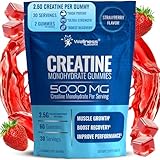


As an Amazon Associate, Exercise Daily earns from qualifying purchases. This post may contain affiliate links. Last updated: October 3, 2026
When incorporating cognitive fitness exercises into training, avoid the following common mistakes:
- Neglecting Consistency: Just like physical training, cognitive exercises require regular practice. Sporadic training will not yield significant improvements. Set a schedule that allows for regular cognitive workouts, just as you would for physical training.
- Ignoring Feedback: Athletes should track their cognitive performance and adjust their training accordingly. Feedback is essential for growth. Use metrics such as reaction times or decision accuracy to gauge improvements.
- Overcomplicating Exercises: Start with simple tasks before progressing to more complex scenarios. Gradually increase difficulty as skills improve. This incremental approach helps build confidence and competence.
- Focusing Solely on One Aspect: Ensure a balanced approach that incorporates various cognitive skills, such as memory, attention, and spatial awareness. A well-rounded cognitive fitness program will yield better overall results.
Cognitive Fitness Exercises for Athletes
Here are some practical cognitive fitness exercises that athletes can incorporate into their training routines:
| Exercise | Target Skill | Duration | Difficulty Level | Safety Cue |
|---|---|---|---|---|
| Reaction Time Drills | Speed & Agility | 10 minutes | Beginner | Ensure a safe environment with no obstacles. |
| Visual Tracking Tasks | Focus & Coordination | 15 minutes | Intermediate | Use appropriate equipment (e.g., balls, cones). |
| Memory Games | Memory & Recall | 10 minutes | Beginner | Keep it fun to maintain engagement. |
| Simulated Game Scenarios | Decision Making | 20 minutes | Advanced | Involve teammates for realistic practice. |
| Mental Imagery Training | Visualization & Focus | 5-10 minutes | Beginner | Practice in a quiet space to minimize distractions. |
1. Reaction Time Drills
Set up a series of cones or markers and have a partner call out commands (e.g., “left,” “right,” “back”). React as quickly as possible to reach the designated cone. This exercise trains your brain to process information and respond swiftly, crucial for sports like soccer or basketball. You can also incorporate auditory stimuli, such as a whistle, to add an additional layer of challenge.
2. Visual Tracking Tasks
Use a ball or a small object and move it in various patterns. Try to keep your eyes on the object while also engaging in another task, like dribbling a basketball. This enhances your ability to focus on multiple stimuli simultaneously. You can also practice with a partner who moves the object unpredictably, forcing you to adapt your tracking skills under pressure.
3. Memory Games
Use cards or objects to create a memory game. Shuffle them and place them face down. Try to remember the location of each item as you flip them over. This exercise can help improve your recall abilities, which are vital during gameplay. To increase the difficulty, you can introduce more objects or time constraints, challenging your memory under pressure.
4. Simulated Game Scenarios
Involve teammates in creating game-like scenarios. Set specific goals (e.g., scoring in a limited time) while making decisions under pressure. This not only improves cognitive skills but also enhances teamwork and communication. You can also rotate roles within the simulation to give each athlete a chance to practice different decision-making scenarios, enhancing their overall understanding of the game.
5. Mental Imagery Training
Spend a few minutes visualizing yourself performing your sport successfully. Picture the environment, your movements, and your emotions. This exercise can enhance your confidence and mental preparedness. To make this exercise more effective, consider incorporating specific techniques like visualization scripts or guided imagery sessions led by a coach or sports psychologist.
Beginner Tips
- Start with simple tasks that require minimal equipment. This lowers the barrier to entry and helps you focus on mastering the fundamentals.
- Focus on one cognitive skill at a time to avoid overwhelming yourself. This targeted approach allows for deeper learning and retention of skills.
- Keep sessions short and engaging to maintain motivation. Consider varying exercises to keep the training fresh and exciting.
Advanced Tips
- Incorporate high-pressure scenarios to simulate competition conditions. This prepares you for the mental demands of actual games.
- Track your progress by recording your performance in various drills. This data can help you identify areas for improvement and celebrate successes.
- Mix cognitive exercises with physical training for a holistic approach. For example, perform a physical drill followed by a cognitive task to integrate both aspects of training.
Frequently Asked Questions
1. How often should I practice cognitive fitness exercises?
It’s beneficial to incorporate cognitive exercises into your routine at least 2-3 times a week, alongside your physical training. Regular practice will help reinforce neural pathways and improve cognitive agility.
2. Can cognitive exercises replace physical training?
No, cognitive exercises complement physical training but should not replace it. Both are essential for overall athletic performance. A well-rounded training regimen includes both physical conditioning and cognitive skill development.
3. What types of sports benefit most from cognitive fitness training?
Sports that require quick decision-making, such as basketball, soccer, and tennis, benefit significantly from cognitive fitness training. However, virtually any sport can see improvements from enhanced cognitive skills, including endurance sports where strategic pacing and race tactics are crucial.
4. How do I know if the exercises are working?
Monitor improvements in your reaction times, decision-making during games, and overall mental focus. Keeping a journal can help track progress. You might also notice increased confidence and a better ability to handle pressure situations effectively.
5. Can anyone practice cognitive fitness exercises?
Absolutely! Cognitive fitness exercises can be tailored to suit all levels, from beginners to elite athletes. Coaches can modify exercises to meet the needs of their athletes, ensuring that everyone can benefit from cognitive training.
Conclusion
Integrating cognitive fitness exercises into your training can significantly enhance your performance as an athlete. By challenging your brain, you prepare yourself not only physically but mentally for the demands of your sport. Don’t underestimate the power of a sharp mind in achieving your athletic goals. Start small, stay consistent, and watch your performance soar. Remember, cognitive fitness is a journey that requires dedication, just like physical training. Embrace the process, and you will see the benefits in your athletic performance.
- References
Eat daily, sleep daily, exercise daily.