Beginner Fitness Checklist | Exercise Daily
A beginner fitness checklist should make your next session easier to organize, not turn your first week into a test of toughness. Start with a realistic activity, a place to do it, and a time you can protect. This guide combines a practical planning checklist with a simple way to record what happened and decide what to change next. It is for general fitness planning, not injury rehabilitation or an individual exercise prescription. Browse our exercise training guides for additional topics.
Who This Is For
- Newcomers to fitness looking to kickstart their journey.
- Busy adults who struggle to find time for consistent exercise.
- Parents wanting to incorporate fitness into their daily lives.
- Adults returning after a break who need help organizing a manageable routine.
- Those who have previously been inactive and want to ease into a fitness routine.
What Most People Get Wrong
One common misconception is that you need to spend hours in the gym to achieve your fitness goals. In reality, quality often trumps quantity. Many beginners also overlook the importance of recovery and nutrition, focusing solely on exercise. This can lead to frustration when results don’t come as quickly as expected. Additionally, many people assume that all exercises are appropriate for all fitness levels, which can result in injuries or discouragement. For more help, see our fitness performance tips.
For instance, a beginner might watch a fitness influencer perform advanced movements without realizing the years of training and conditioning that went into mastering those skills. It’s essential to recognize that every individual has a unique starting point, and progress should be measured against personal goals rather than comparing oneself to others.
Build a Plan You Can Repeat
NIDDK guidance on starting physical activity recommends starting slowly, choosing activities you enjoy, and putting specific goals on your calendar. If a health condition or disability affects your activity choices, ask your health professional which activities and amounts suit you. This checklist does not replace that advice.
The planning examples below are editorial suggestions for organizing your week. They are not a tested training program or a promise of weight loss. Keep the parts that help you act, and leave out tracking that creates unnecessary work. You can explore our nutrition articles separately rather than trying to overhaul every habit on your first day.
Mistakes to Avoid
- Skipping Warm-Ups: Allow time to begin gently instead of rushing straight into the hardest part of a session. Ask a qualified instructor for a warm-up appropriate to the activity you choose.
- Neglecting Nutrition: Fuel your body with the right nutrients to support your workouts. A well-balanced diet provides the necessary energy for exercise and aids in recovery.
- Overtraining: Listen to your body and take rest days when needed to prevent burnout. Do not treat a missed session as a reason to cram extra activity into the next day.
- Setting Unrealistic Goals: Aim for achievable targets to maintain motivation and track progress. Setting small, incremental goals can lead to a sense of accomplishment that fuels further success.
Beginner Fitness Checklist
Here’s a practical checklist to guide you through your fitness journey:
- Set Clear Goals: Define what you want to achieve (e.g., weight loss, muscle gain, improved endurance). Consider using the SMART criteria (Specific, Measurable, Achievable, Relevant, Time-bound) to set your goals.
- Create a Schedule: Plan your workouts around your daily routine to ensure consistency. Include workout times in your calendar just like any other important appointment.
- Choose the Right Exercises: Focus on compound movements like squats, push-ups, and lunges. Ask an instructor to help select and demonstrate movements appropriate to your starting point.
- Incorporate Rest Days: Allow your body to recover with at least one rest day each week. Include recovery time in your plan rather than filling every available slot with exercise.
- Track Your Progress: Keep a journal or use a fitness app to log workouts and improvements. Documenting your progress can help you stay motivated and identify areas that need improvement.
A Sample First-Week Planning Template
Use this as a calendar example, not a required exercise dose. Choose activity and duration that fit your current abilities and any professional advice you have received. An appointment on the calendar is a reminder, not an instruction to continue when you feel unwell.
| Planning slot | Example choice | Record afterward | Backup plan |
|---|---|---|---|
| First available day | A familiar walk or another activity you enjoy | What you did and how the timing worked | An accessible indoor location |
| Another suitable day | A beginner session with instruction for unfamiliar movements | Questions about technique or adaptations | Reschedule rather than rush |
| Later in the week | Repeat an activity you found manageable | Whether the same plan still fits | A shorter calendar slot if appropriate |
| Weekly review | Check your notes and plan the next week | One useful adjustment | Keep the plan simple |
For a walking-focused example, see our 10-minute morning walking routine. Treat the duration as an example to adapt, not an entry requirement. If you want to learn strength exercises, arrange instruction rather than treating a photograph or a brief table as a complete technique lesson.
Nutrition Basics for Beginners
Nutrition plays a vital role in your fitness journey. Here are some basic tips to keep in mind:
- Stay Hydrated: Drink plenty of water before, during, and after workouts. Proper hydration supports optimal physical performance and aids recovery.
- Balance Your Plate: Include a mix of proteins, healthy fats, and carbohydrates. Proteins help in muscle repair, carbohydrates provide energy, and healthy fats support overall health.
- Don’t Skip Meals: Eating regular meals helps maintain energy levels. Plan meals around your usual routine rather than adding snacks solely because you started exercising.
- Plan Meals Ahead: Preparing meals can help you make healthier choices. Meal prepping for the week can save time and ensure you have nutritious options readily available.
Additionally, understanding portion sizes can help you maintain a balanced diet without overeating. Tools like measuring cups or a food scale can be beneficial, especially when you’re first starting out.
Turn the Checklist into a Usable First Week
Write a starting point you can actually describe
Instead of writing “get fit,” describe what currently happens in your week. For example: “I sit for most of my workday, I can leave the house after lunch on Tuesday, and I prefer walking to joining a class.” You do not need to record body measurements or share private health information to make that note useful. The purpose is to identify an activity and an opening in your calendar, not to judge your starting point against somebody else’s.
List the practical constraints beside it. Your available time may depend on childcare, transport, work shifts, daylight, or access to an appropriate space. A plan that acknowledges those details is easier to revise than one built around an imaginary free hour every day. If a session depends on another person, confirm the arrangement before marking it as a commitment.
Give every planned session a place and a backup
A calendar entry such as “Tuesday after lunch: walk from the office entrance” answers more questions than “exercise Tuesday.” Add what you need to bring and where you will keep it. For an indoor session, check opening times and whether you need to book. For an outdoor activity, consider the route, weather, lighting, and accessibility before leaving. These are preparation prompts, not a guarantee that any location or activity is safe.
Write a backup next to the main plan. That might mean using an appropriate indoor space, choosing another available day, or asking an instructor about a suitable alternative. Avoid turning the backup into a harder session intended to make up for a missed one. If the practical obstacle keeps recurring, change the plan itself rather than repeatedly recording that you failed to follow it.
Use a short session note rather than a complicated dashboard
A simple notebook entry can contain five fields: date, planned activity, activity completed, a practical observation, and next action. An example is: “Tuesday; walk after lunch; walked the usual route; the start time worked but I forgot my water bottle; put it beside my bag next time.” This is an invented organizational example, not a report of a person’s fitness results.
Record the information that will help you make the next decision. If you attended a class, note its name and any question you want to ask the instructor. If you tried unfamiliar equipment with instruction, record the setup you were shown rather than relying on memory. Keep health concerns separate from a performance score, and seek appropriate advice rather than using a journal to diagnose a symptom.
Review the plan before increasing it
At the end of the week, compare your calendar with your notes. Which appointments were realistic? Which activity did you want to repeat? Did travel or preparation take longer than expected? Those questions reveal practical changes you can make without treating every review as a demand for more exercise. Keeping the same manageable plan for another week is also a planning decision.
If you decide to change something, write down one clear adjustment so you can understand its effect. For example, move the session to a less rushed time or choose a location closer to home. For changes to exercise difficulty, technique, or an activity affected by a health condition, get suitable professional guidance. Do not use a generic checklist to set a rehabilitation program or override advice you have already received.
What Equipment Do You Need to Start?
Begin with the needs of your chosen activity, not a shopping list. Check what you already own and what the venue supplies. Comfortable activity-appropriate clothing, a place to keep your belongings, and a notebook or phone for your plan may be enough preparation for your chosen session. A class may have specific requirements, so check its instructions before buying equipment.
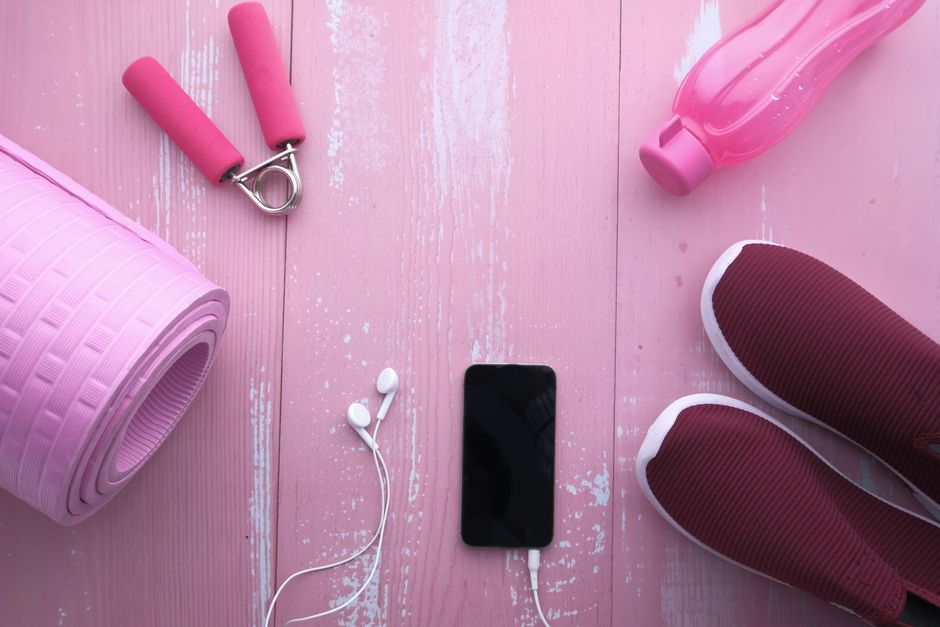
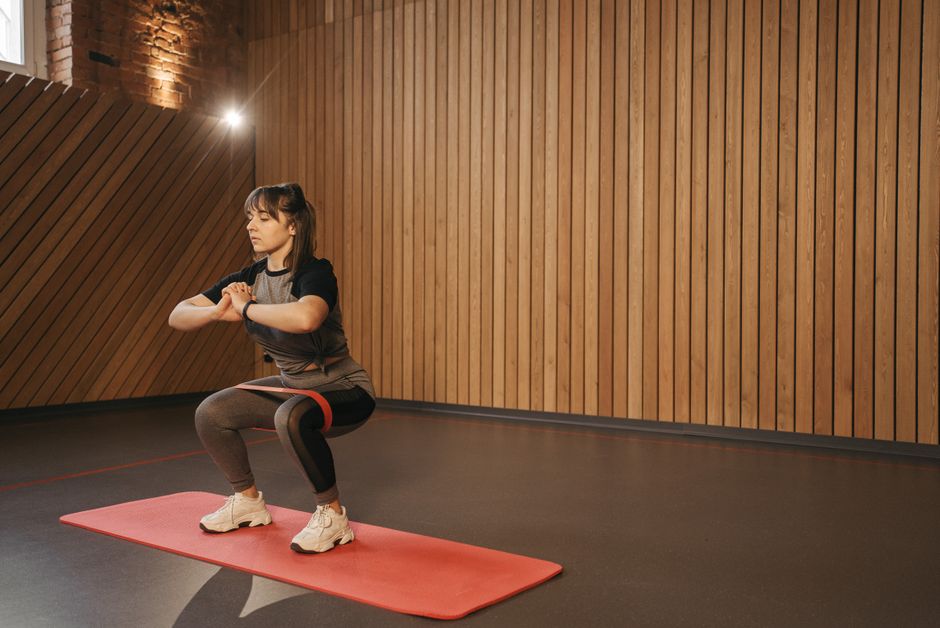
The photographs illustrate fitness equipment and a resistance-band activity; they are not instructions to copy the pictured movement. A band is optional and should match an activity you know how to perform. If you use one, follow its manufacturer’s inspection and setup instructions and ask an instructor about unfamiliar exercises. No particular band, mat, or other product is necessary to use this checklist, and this article does not rank products it has not evaluated.
Keep an “already available / need to check / optional later” list. This separates a genuine requirement, such as a venue’s footwear rule, from an appealing purchase that does not solve a current problem. Before ordering anything, identify the activity it supports, where you would store it, and whether you would need instruction to use it. You can complete the planning work without making a purchase.
Optional resistance-band choices: If resistance-band activity is part of your plan and you know how to use the equipment, the following existing product listings are options to compare. Check the current manufacturer instructions, material, resistance levels and suitability before buying. A purchase is not required to follow this checklist; these listings are not a claim that we tested or medically recommend the products.
Affiliate disclosure: As an Amazon Associate, Exercise Daily earns from qualifying purchases.


As an Amazon Associate, Exercise Daily earns from qualifying purchases. This post may contain affiliate links. Last updated: October 29, 2026 3:19 pm
A Copyable Beginner Fitness Checklist
- I have chosen an activity that fits my current circumstances.
- I know when and where my next session will happen.
- I have checked access, booking, travel, and necessary preparation.
- I have a practical alternative if the original arrangement changes.
- I know which questions require an instructor or health professional.
- I have a simple way to record what I completed.
- I have set aside a moment to review the plan rather than automatically making it harder.
Copy these items into a note and adapt their wording to your situation. For example, a parent might add “childcare confirmed,” while someone attending an unfamiliar venue might add “entrance and accessible facilities checked.” Avoid adding items simply to make the list look comprehensive. A short checklist that answers your real logistical questions is more useful than one filled with irrelevant requirements.
The HHS Move Your Way Activity Planner can help you organize activities and track a weekly plan. Its adult guidance combines aerobic activity with muscle-strengthening activity. Use the official guidance for that broader framework; use your own calendar to decide how to begin within your circumstances. You do not have to purchase an app, record every calorie, or compete with another person’s routine to start organizing your activity.
Frequently Asked Questions
1. How often should I work out as a beginner?
There is no single starting schedule that fits every beginner. Choose a manageable starting point and build gradually. The HHS weekly activity goals are longer-term planning guidance, not a requirement to complete an intensive first week.
2. What should I do if I feel pain during exercise?
If you experience pain, stop the exercise immediately. It’s important to differentiate between discomfort and pain. If pain persists, consult a healthcare professional. Remember, it’s normal to feel some muscle soreness, but sharp pain is a sign that something may be wrong.
3. Can I lose weight without going to the gym?
A gym membership is not required to be physically active. Walking and suitable activities at home can be part of a plan. Weight change depends on more than where you exercise, and this checklist does not promise weight loss or prescribe a diet.
4. How do I stay motivated to work out?
Set achievable goals, track your progress, and consider finding a workout buddy to help keep you accountable. Additionally, varying your workouts can keep things fresh and exciting. Try new classes, outdoor activities, or workout programs to discover what you enjoy most.
5. Is it necessary to track my calories?
While tracking calories can be helpful for some, it’s not necessary for everyone. Focus on balanced meals and listen to your body’s hunger cues. If you find tracking beneficial, consider using apps or journals to help maintain awareness of your intake.
Practical Tip
Before closing your notebook, write the date, place, and activity for your next session. If those details are undecided, choose one small planning task, such as checking a class timetable or confirming an accessible route. A clear next action is more useful than a long list you will not revisit.
Conclusion
A comprehensive beginner fitness checklist is crucial for developing a sustainable exercise routine. By focusing on proper form, nutrition, and gradual progression, you can create a rewarding fitness journey. Remember, fitness is a marathon, not a sprint. Stay consistent, listen to your body, and enjoy the process.
Eat daily, sleep daily, exercise daily. Embrace the journey, celebrate your progress, and remember that every step you take towards your goals is a step towards a healthier, happier you.
These are for informational purposes only. Consult your doctor and do your own research before use.