Best Resistance Band Workouts For Seniors | Exercise Daily
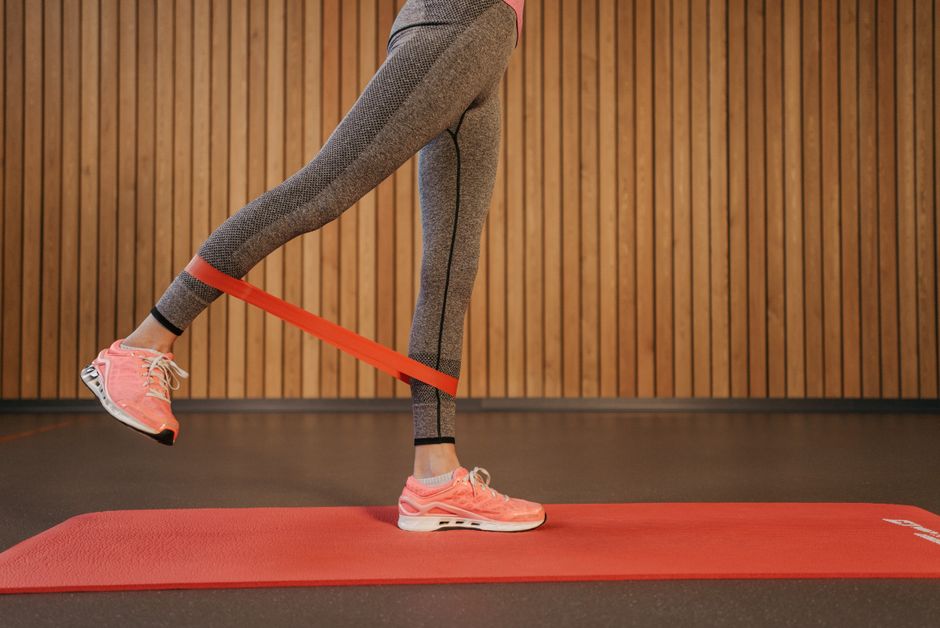
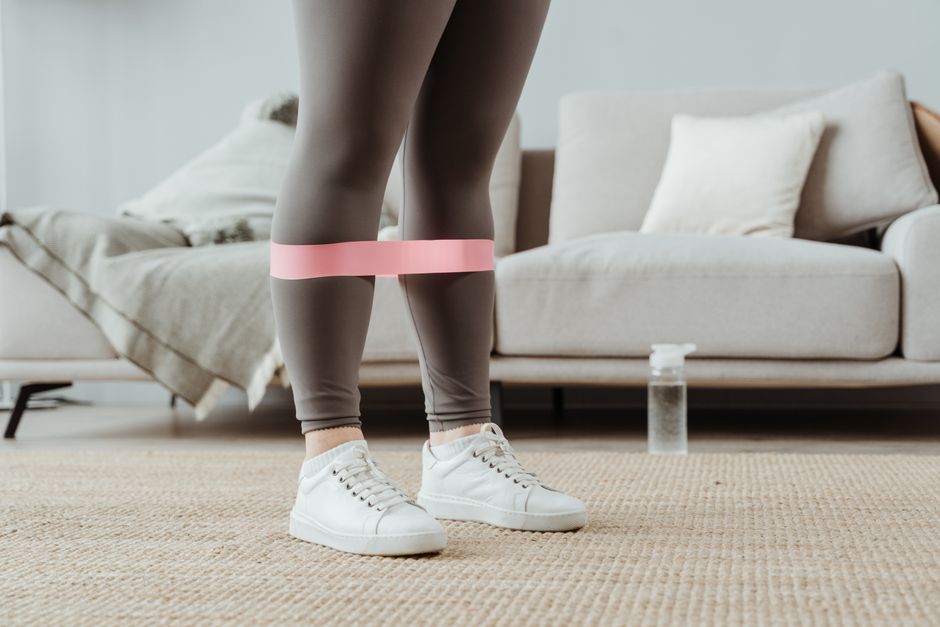
Many seniors mistakenly believe that lifting weights is the only way to build strength and maintain mobility, but resistance band workouts can provide an equally effective, low-impact alternative. Resistance bands are not just for young athletes; they are a fantastic tool for seniors seeking to enhance their strength, flexibility, and overall health. This article explores the best resistance band workouts for seniors, ensuring you can exercise safely and effectively. For more help, see our exercise training guides.
Who This Is For
- Seniors looking to improve strength and mobility.
- Individuals recovering from injury or surgery.
- Beginners who may find traditional weights intimidating.
- Active seniors wanting to maintain their fitness levels.
- Those seeking a safe, low-impact exercise option.
What Most People Get Wrong
A common misconception is that resistance bands are only for rehabilitation or light exercise. In reality, they can provide a full-body workout that challenges your muscles in a way that is both effective and safe. Many seniors also think that all resistance bands are the same, but different types can offer varying levels of difficulty and benefits. Understanding the different bands available—from light to heavy resistance—can help tailor your workouts to your specific needs and abilities. For more help, see our exercise training guides.
Why This Actually Works
Resistance bands can improve strength, flexibility, and balance without the risk of heavy weights. They provide constant tension throughout the movement, which is important for muscle engagement. According to a study published in the Journal of Geriatric Physical Therapy, resistance band training significantly improves strength and functional performance in older adults (1). This makes them ideal for seniors who may struggle with traditional weightlifting. Furthermore, resistance bands are versatile and portable, allowing for workouts in various settings, whether at home, a gym, or even outdoors. For more help, see our exercise training guides.
| Exercise | Target Muscle | Sets | Reps | Difficulty | Safety Cue |
|---|---|---|---|---|---|
| Seated Row | Back, Biceps | 2-3 | 10-15 | Easy | Keep back straight, avoid hunching |
| Chest Press | Chest, Shoulders | 2-3 | 10-15 | Medium | Engage core, avoid overextending |
| Squats | Legs, Glutes | 2-3 | 10-15 | Medium | Keep knees behind toes, engage core |
| Bicep Curl | Biceps | 2-3 | 10-15 | Easy | Control movement, avoid swinging |
| Tricep Extension | Triceps | 2-3 | 10-15 | Medium | Keep elbows close to head |
Mistakes to Avoid




As an Amazon Associate, Exercise Daily earns from qualifying purchases. This post may contain affiliate links. Last updated: October 17, 2026
While resistance bands are safe, there are common mistakes that can lead to injury or ineffective workouts:
- Using the wrong band: Choose a band that matches your strength level. If it’s too easy, you won’t see progress; if it’s too hard, you risk injury. It’s advisable to test various bands to find the right resistance that challenges you while still allowing for proper form.
- Poor form: Focus on maintaining proper form throughout each exercise to prevent strain and maximize effectiveness. Consider using a mirror or recording yourself to assess your form or seek feedback from a trainer.
- Skipping warm-up: Always warm-up properly to prepare your muscles and joints. A simple 5-10 minute walk can suffice. Dynamic stretches specifically targeting the muscles you intend to work can further enhance your performance.
- Neglecting breathing: Remember to breathe out during exertion and inhale during the release to maintain oxygen flow. Proper breathing also helps stabilize your core, enhancing your overall performance during exercises.
Beginner Tips
If you’re new to resistance band workouts, start slow. Here are some tips:
- Begin with a light band and focus on mastering the movements. This will help you build a solid foundation before advancing to heavier bands.
- Incorporate only 2-3 exercises into your routine and gradually increase as you gain strength. This approach helps prevent overtraining and allows your muscles to adapt.
- Consider working with a trainer initially to ensure you’re using the bands correctly. A trainer can also help you develop a personalized workout plan that aligns with your fitness goals.
Advanced Tips
For those who are more experienced, you can increase the intensity by:
- Using thicker bands or combining multiple bands for added resistance. This variation can help target different muscle groups more effectively.
- Adding more complex movements like compound exercises that engage multiple muscle groups. For instance, combining a squat with an overhead press can elevate your heart rate and enhance strength simultaneously.
- Incorporating balance challenges, such as performing exercises on one leg. This not only builds strength but also enhances stability and coordination, which are crucial for fall prevention in seniors.
Here’s a simple beginner-friendly routine to get started:
- Seated Row – 2 sets of 10 reps
- Chest Press – 2 sets of 10 reps
- Bicep Curl – 2 sets of 10 reps
- Squats – 2 sets of 10 reps
- Tricep Extension – 2 sets of 10 reps
Frequently Asked Questions
1. How often should seniors do resistance band workouts?
Aim for 2-3 times per week, allowing at least one day of rest between sessions to promote recovery. This frequency helps to enhance strength while minimizing the risk of overuse injuries.
2. Can resistance bands help with arthritis?
Yes, resistance bands provide a low-impact way to strengthen muscles around joints, which can alleviate some arthritic pain. They also promote flexibility and range of motion, which are critical for managing arthritis symptoms.
3. What type of resistance band is best for seniors?
A latex-free band with handles is often easiest to use. Look for bands labeled for low to medium resistance. Additionally, bands with varying resistance levels can be beneficial as you progress, allowing for a tailored workout experience.
4. Are there any safety considerations?
Always inspect bands for wear and tear before use and avoid using them on uneven surfaces. It’s crucial to ensure that your workout area is safe and free of hazards that could lead to falls or injuries.
5. Can I combine resistance bands with other forms of exercise?
Absolutely! Combining with walking, yoga, or swimming can enhance overall fitness and enjoyment. These complementary activities can improve cardiovascular health, flexibility, and overall well-being.
Conclusion
Incorporating resistance band workouts into a senior fitness routine can lead to improved strength, balance, and mobility. The best resistance band workouts for seniors not only offer a safe way to exercise but also empower you to stay active and independent. Remember, consistency is key, and listening to your body will help you achieve your fitness goals. With regular practice, you can enhance your physical capabilities and enjoy a higher quality of life.
- References
Eat daily, sleep daily, exercise daily.
These are for informational purposes only. Consult your doctor and do your own research before use.