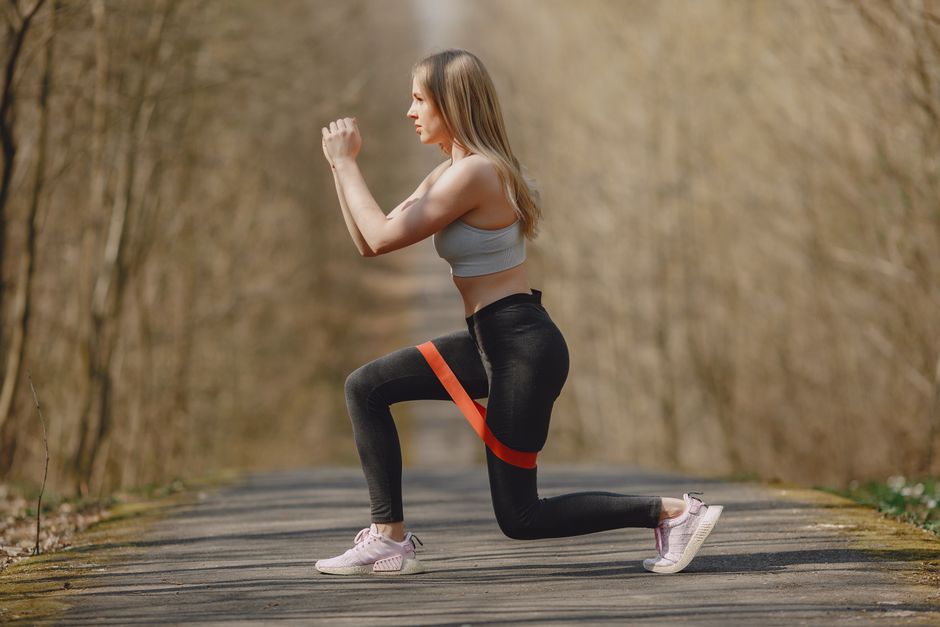
Resistance Band Leg Exercises For Beginners | Exercise Daily
Many people assume that you need heavy weights to effectively strengthen your legs, but resistance bands can offer an equally effective workout for beginners. This common misconception often leads beginners to overlook resistance band leg exercises, thinking they won’t provide enough challenge. In fact, these bands are versatile tools that can enhance your strength, flexibility, and stability without the intimidation of traditional weights. Let’s dive into some effective resistance band leg exercises for beginners that you can incorporate into your routine. For more help, see our exercise training guides.
Who This Is For
- Beginners looking to start their fitness journey with low-impact exercises.
- Busy adults who need a quick and efficient workout option.
- Parents wanting to squeeze in a workout while managing family responsibilities.
- Individuals recovering from injury who need to build strength gradually.
- Gym-goers seeking to diversify their workout routine.
What Most People Get Wrong
A prevalent mistake among beginners is assuming that resistance bands are only for rehabilitation or that they lack the resistance needed for effective workouts. While it’s true that bands are often used in physical therapy, they can also provide a significant challenge when used correctly. Additionally, many beginners do not realize the importance of adjusting the band’s tension to match their fitness level and the specific exercise being performed. Selecting the right band—whether light, medium, or heavy—can make a substantial difference in the workout’s effectiveness. This adjustment is crucial because using a band that is too light may not stimulate muscle growth, while one that is too heavy could lead to compromised form and potential injury. For more help, see our exercise training guides.
Why This Actually Works
Resistance bands create tension that engages your muscles throughout the entire range of motion, which is crucial for muscle development. Unlike free weights, bands maintain continuous tension, meaning your muscles are working even at the end of the movement. This can enhance strength, improve balance, and increase flexibility, making resistance bands an excellent choice for leg exercises. According to a study published in the Journal of Strength and Conditioning Research, resistance training with bands can lead to significant strength gains when performed consistently (Peterson et al., 2010). Furthermore, resistance bands can be adjusted easily to increase or decrease the intensity of your workout, making them incredibly versatile and suitable for various fitness levels. For more help, see our exercise training guides.
Mistakes to Avoid
- Using the Wrong Band: Ensure that you choose a band that offers appropriate resistance for your strength level. Bands that are too light may not provide enough challenge, while bands that are too heavy can lead to improper form. It’s essential to test different bands to find the appropriate level of resistance that allows you to perform exercises with good form while still feeling challenged.
- Poor Form: Always prioritize form over the number of repetitions. Poor technique can lead to injuries and ineffective workouts. Take the time to learn the correct posture and movements for each exercise, as this will yield better results and keep you safe.
- Neglecting Warm-Up: Failing to warm up properly can lead to strains. Always include a dynamic warm-up to prepare your muscles for exercise. This could include light cardio and dynamic stretches that target the legs, such as leg swings and walking lunges.
- Skipping Recovery: Allow your muscles time to recover between workouts. Overtraining can hinder progress and lead to injury. Schedule rest days and listen to your body; if you’re feeling fatigued, it may be best to take an extra day off.



As an Amazon Associate, Exercise Daily earns from qualifying purchases. This post may contain affiliate links. Last updated: October 16, 2026
Beginner-Friendly Resistance Band Leg Exercises
Here are some effective resistance band leg exercises for beginners, along with tips on how to perform them safely and effectively:
| Exercise | Target Muscle | Sets | Reps | Difficulty | Safety Cue |
|---|---|---|---|---|---|
| Squats | Quadriceps, Hamstrings, Glutes | 3 | 10-15 | Beginner | Keep your knees behind your toes. |
| Leg Press | Quadriceps, Glutes | 3 | 10-12 | Beginner | Engage your core throughout the movement. |
| Side Leg Lifts | Hip Abductors | 3 | 12-15 | Beginner | Keep your body straight; don’t lean. |
| Glute Bridges | Glutes, Hamstrings | 3 | 10-15 | Beginner | Ensure your shoulders and feet are aligned. |
| Standing Leg Curl | Hamstrings | 3 | 10-12 | Beginner | Control the movement; don’t rush. |
1. Squats
To perform a resistance band squat, place the band under your feet and hold the ends at shoulder height. Stand with your feet shoulder-width apart and squat down as if sitting back in a chair. Keep your chest up and knees aligned with your toes. This exercise targets your quadriceps, hamstrings, and glutes, providing a comprehensive lower body workout. Remember to push through your heels as you rise back up to engage your glutes effectively.
2. Leg Press
For the leg press, sit on the floor with your legs extended in front of you. Loop the band around your feet and hold the ends. Press your feet forward against the band while keeping your back straight. This exercise isolates the quadriceps and glutes, simulating the motion of a leg press machine. Focus on a slow, controlled movement to maximize tension on the muscles and enhance strength gains.
3. Side Leg Lifts
To do a side leg lift, stand with your feet together and the band wrapped around your ankles. Shift your weight to one leg and lift the other leg out to the side, keeping it straight. This move targets the hip abductors and helps improve lateral stability. Ensure that your standing leg is slightly bent to maintain balance and control throughout the movement.
4. Glute Bridges
For glute bridges, lie on your back with your knees bent and feet flat on the ground. Place the band just above your knees. Lift your hips toward the ceiling while squeezing your glutes at the top. This exercise effectively engages the glutes and hamstrings. To increase the challenge, try holding the bridge position for a few seconds before lowering your hips back down.
5. Standing Leg Curl
To perform a standing leg curl, anchor the band at the bottom (like under a door), and loop it around your ankle. Stand tall and curl your leg up towards your glutes against the band’s resistance. This exercise focuses on strengthening the hamstrings. Be sure to keep your core engaged to maintain balance and posture throughout the movement.
Advanced Tips for Progression
Once you feel comfortable with these exercises, consider these advanced tips to increase the challenge:
- Increase the resistance by using a thicker band. This addition will require your muscles to work harder, leading to greater strength gains.
- Incorporate more complex movements, such as combining squats with overhead presses. This will engage multiple muscle groups and improve overall functional strength.
- Reduce rest time between sets to increase endurance and cardiovascular benefits. Try to keep your rest periods to 30 seconds or less.
- Add pauses at the bottom of each squat or bridge to enhance muscle engagement. This technique increases time under tension, which can stimulate muscle growth.
Frequently Asked Questions
1. How often should I do resistance band leg exercises?
For beginners, aim for 2-3 sessions per week, allowing at least one day of rest in between to promote recovery. This frequency allows your muscles to adapt and grow stronger while preventing overuse injuries.
2. Can resistance bands replace weights?
Yes, resistance bands can be a great alternative to weights, especially for beginners. They help build strength and improve flexibility without the risks associated with heavy lifting. Additionally, resistance bands can be used in a variety of settings, making them a convenient option for home workouts or while traveling.
3. What type of resistance band should I start with?
Start with a light to medium resistance band. This allows you to focus on form and control before progressing to heavier bands. As you become more comfortable with the exercises, gradually move to a band with more resistance to continue challenging your muscles.
4. Is it safe to use resistance bands if I have an injury?
Always consult with a healthcare professional before starting any new exercise routine, especially if you have an injury. Resistance bands can provide low-impact options that may be beneficial during recovery. Your healthcare provider can help tailor a program that suits your specific needs and limitations.
5. Can I use resistance bands for other muscle groups?
Absolutely! Resistance bands are versatile and can be used to target various muscle groups, including the upper body and core. Incorporating resistance bands into your full-body routine can enhance overall strength and functional fitness.
Extra Value: Mini Routine
If you’re pressed for time, try this quick mini-routine for your legs:
- Squats: 10-12 reps
- Glute Bridges: 10-12 reps
- Side Leg Lifts: 12-15 reps each side
- Rest for 30 seconds and repeat for 2-3 rounds.
Incorporating resistance band leg exercises into your routine can be a game changer for beginners. They are not only effective but also versatile and easy to use anywhere. Remember to focus on form, gradually increase your resistance, and listen to your body as you progress. Resistance bands are a fantastic way to build strength and confidence in your fitness journey. The benefits of resistance band training extend beyond just strength; they also improve coordination, balance, and overall physical function, making them an essential component of a well-rounded fitness program.
- References
- Peterson, M. D., et al. (2010). Resistance Training for Health and Rehabilitation.
- American College of Sports Medicine.
- Resistance Bands vs. Free Weights: A Comparison of Strength Training Methods.
- The Benefits of Resistance Training for Older Adults.
Eat daily, sleep daily, exercise daily.
These are for informational purposes only. Consult your doctor and do your own research before use.