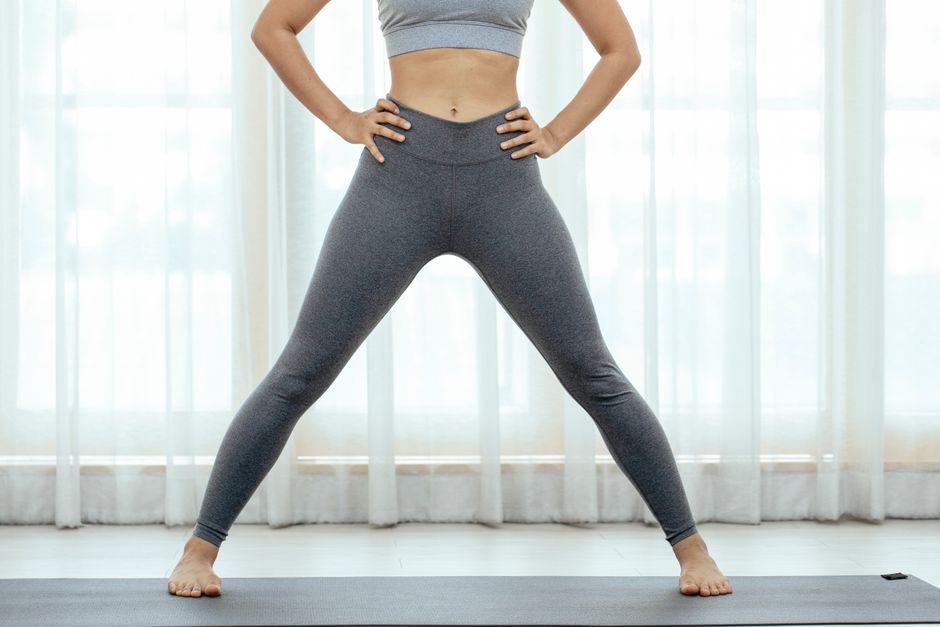
Best Stretching Routine After Exercise | Exercise Daily
Stretching after exercise is not just a nice-to-have; it’s an essential component of your workout recovery. Many people believe that skipping stretching will save time and enhance performance, but this common misconception can lead to decreased flexibility and increased injury risk. Engaging in a well-structured stretching routine after exercise can significantly improve your recovery, enhance muscle elasticity, and prepare your body for future workouts. This article will guide you through the best stretching routine after exercise, ensuring you reap the maximum benefits from your physical activity. For more help, see our exercise training guides.
Who This Is For
- Beginners looking to establish a solid post-workout routine.
- Athletes aiming to enhance flexibility and recovery.
- Busy adults wanting to incorporate effective stretching into a tight schedule.
- Parents who need quick and efficient ways to stretch after home workouts.
- Recovering individuals who require gentle stretching to regain mobility.
What Most People Get Wrong




As an Amazon Associate, Exercise Daily earns from qualifying purchases. This post may contain affiliate links. Last updated: October 23, 2026
One of the biggest mistakes people make is believing that static stretching is the only way to cool down after exercise. In reality, many individuals skip stretching entirely, thinking it won’t impact their performance. This could not be further from the truth. Static stretching can enhance flexibility and reduce muscle soreness, while dynamic stretching can help improve range of motion and blood flow during your workout. Understanding the appropriate types of stretches to perform after exercise is crucial. For more help, see our exercise training guides.
It’s also a common misconception that stretching only benefits those who are inflexible. In fact, even those with good flexibility can benefit from post-exercise stretching. It aids in muscle relaxation, helps to maintain elasticity, and can even improve your athletic performance by preparing the muscles for future workouts. For more help, see our exercise training guides.
Why This Actually Works
The science supports the effectiveness of a well-planned stretching routine. Research published in the National Institutes of Health (NIH) has shown that stretching can lead to improved flexibility, which in turn enhances overall athletic performance. Furthermore, stretching promotes blood circulation, which aids in the removal of metabolic waste and reduces muscle soreness. A well-structured routine can also help prevent injuries by preparing the muscles for the next workout.
Additionally, stretching helps to align the muscles and joints after intense physical activity, contributing to better posture and alignment. This realignment can help mitigate the risk of chronic pain and discomfort that often arises from repetitive strain or poor movement patterns during exercise.
Mistakes to Avoid
When implementing a stretching routine, there are several common pitfalls to avoid:
- Skipping warm-ups: Always warm up your muscles before stretching. Cold muscles are more prone to injury. A brief warm-up, such as light jogging or dynamic movements, can increase blood flow and prepare your muscles for stretching.
- Holding stretches too long: Aim for 15-30 seconds per stretch. Holding for too long can cause muscle strain and counteract the benefits of stretching.
- Neglecting major muscle groups: Ensure you stretch all major muscle groups, not just the ones you worked during your exercise. This holistic approach helps maintain overall muscle balance and flexibility.
- Rushing through stretches: Take your time to ensure proper form and technique to avoid injuries. Each stretch should be performed mindfully, focusing on breathing and muscle relaxation.
- Ignoring pain signals: It’s essential to listen to your body. If you feel sharp or intense pain, ease off the stretch. Stretching should feel comfortable and relieving, not painful.
Best Stretching Routine After Exercise
Here’s a comprehensive post-exercise stretching routine that targets all major muscle groups. Aim to hold each stretch for 15-30 seconds, breathing deeply and relaxing into each position. This routine can be performed after any workout, whether it’s strength training, cardio, or flexibility-focused exercises.
| Stretch | Target Muscle | Sets | Duration | Difficulty | Safety Cue |
|---|---|---|---|---|---|
| Standing Quadriceps Stretch | Quadriceps | 1 | 30 seconds each leg | Easy | Keep knees together |
| Seated Hamstring Stretch | Hamstrings | 1 | 30 seconds each leg | Easy | Avoid rounding your back |
| Chest Stretch | Chest and Shoulders | 1 | 30 seconds | Easy | Keep shoulders down |
| Cat-Cow Stretch | Back and Core | 1 | 30 seconds | Easy | Move slowly and breathe |
| Child’s Pose | Back and Hips | 1 | 30 seconds | Easy | Relax into the stretch |
For a more advanced routine, consider incorporating the following stretches:
- Pigeon Pose: This deep hip stretch is excellent for athletes and those who engage in activities that tighten the hip flexors. It helps in releasing tension and improving hip mobility.
- Standing Forward Bend: A great full-body stretch that targets the hamstrings and back. This stretch not only increases flexibility but also calms the mind.
- Supine Spinal Twist: This stretch is perfect for improving spinal mobility and relieving lower back tension. It aids in detoxifying the organs and enhances circulation.
Practical Tips for Stretching
To get the most out of your stretching routine:
- Incorporate stretching as part of your cool-down process. This not only aids in recovery but also helps in mentally transitioning from workout mode to relaxation.
- Use a yoga mat or soft surface for comfort. This can help prevent slipping and allow you to maintain better balance during stretches.
- Listen to your body; avoid any stretches that cause pain. If you feel any discomfort, adjust your position or skip that stretch altogether.
- Stay hydrated before and after your stretching session. Hydration plays a crucial role in muscle recovery and flexibility.
- Consider incorporating breathing techniques. Deep, controlled breathing can enhance relaxation and improve the effectiveness of each stretch.
Frequently Asked Questions
1. How soon after exercise should I stretch?
Aim to stretch within 10 minutes after your workout while your muscles are still warm. This is the optimal time to enhance flexibility and aid recovery.
2. What types of stretches should I do?
Focus on a mix of static and dynamic stretches. Static stretches help cool down, while dynamic stretches can be incorporated into your warm-up to prepare your muscles for activity.
3. Can stretching prevent injuries?
Yes, a proper stretching routine can improve flexibility and reduce the risk of muscle strains and injuries. It prepares the muscles for the demands of your next workout.
4. How often should I stretch?
Aim to stretch at least three times a week, or more often if you’re engaged in regular physical activity. Consistency is key to maintaining flexibility and preventing tightness.
5. Is it normal to feel discomfort while stretching?
You should feel a gentle pull, but not pain. If you experience sharp pain, ease off the stretch. Discomfort can indicate that you are pushing too hard or that your muscles need more time to relax.
Conclusion
Incorporating the best stretching routine after exercise into your fitness regimen is essential for maximizing recovery and performance. Understanding what stretches to do and avoiding common mistakes will set you up for success. Remember, the goal is to maintain flexibility, enhance muscle recovery, and prepare your body for future workouts. So start stretching today, and feel the difference in your workouts tomorrow!
Eat daily, sleep daily, exercise daily.
- References
These are for informational purposes only. Consult your doctor and do your own research before use.