
How Exercise Improves Sleep Quality | Exercise Daily
Many people believe that staying up late to finish work or binge-watch shows won’t affect their sleep quality, but in reality, exercise is a critical factor in achieving restorative sleep. While it’s common to think that simply lying in bed longer will enhance sleep, the truth is, regular physical activity plays a vital role in improving sleep quality. In this article, we’ll explore how exercise improves sleep quality, debunk myths, and provide actionable strategies to help you harness the power of movement for better rest. For more help, see our exercise training guides.
Who This Is For
- Beginners looking to improve their overall health and sleep patterns.
- Busy adults who struggle to find time for both exercise and sleep.
- Parents juggling family responsibilities while seeking better sleep.
- Overweight individuals wanting to enhance their fitness and well-being.
- Recovering users looking to restore their health through physical activity.
What Most People Get Wrong
A common misconception is that exercising too close to bedtime can disrupt sleep. While it’s true that vigorous activity right before bed may keep some people awake, moderate exercise can actually enhance sleep quality when performed at the right time. The key is to find the right balance and timing that works for your body. For instance, moderate aerobic exercise like a brisk walk or gentle cycling can help facilitate sleep by raising your body temperature slightly, which then drops post-exercise, signaling to your body that it’s time to rest. For more help, see our exercise training guides.
Another myth is that only intense workouts can improve sleep. In reality, even light physical activities, such as walking or stretching, can significantly impact sleep quality. It’s not just about how hard you work out, but also how consistently you incorporate movement into your daily routine. Research indicates that even short bouts of activity can benefit sleep, making it accessible for everyone, regardless of fitness level. For more help, see our exercise training guides.
Why This Actually Works
Exercise improves sleep quality through several mechanisms:
- Regulating Sleep Cycles: Physical activity helps to balance your circadian rhythms, leading to more consistent sleep patterns. Research shows that regular exercisers experience deeper sleep phases, which are crucial for mental and physical recovery (Hirshkowitz et al., 2015). This is particularly important because deep sleep is when the body undergoes the most restorative processes, including muscle repair and memory consolidation.
- Reducing Stress and Anxiety: Exercise releases endorphins, which act as natural stress relievers. Lower stress levels contribute to improved sleep quality, reducing insomnia symptoms (García et al., 2020). Engaging in physical activity can also provide a mental break from daily stressors, allowing you to unwind more effectively at the end of the day.
- Increasing Sleep Duration: Regular physical activity has been linked to increased total sleep time. A study found that individuals who engage in regular aerobic exercises reported longer sleep durations compared to sedentary individuals (Hale & Guan, 2015). Furthermore, those who exercised regularly also reported feeling more alert during the day, which can create a positive feedback loop, encouraging more physical activity and better sleep.
Mistakes to Avoid
When incorporating exercise into your routine for better sleep, be mindful of the following:
- Exercising Too Late: While moderate activity can be beneficial, avoid vigorous workouts within two hours of bedtime, as they may elevate heart rates and body temperatures, making it harder to fall asleep. Instead, opt for calming exercises like yoga or stretching as part of your evening routine.
- Neglecting Consistency: Sporadic exercise won’t yield the same benefits as a regular routine. Aim for at least 150 minutes of moderate aerobic activity each week (ACSM, 2018). This can be broken down into manageable sessions, such as 30 minutes a day, five times a week, making it easier to fit into a busy schedule.
- Ignoring Recovery: Overtraining can lead to fatigue and sleep disturbances. Ensure you schedule rest days and listen to your body’s signals. Incorporating active recovery days with light activities can help maintain consistency without overexerting yourself.


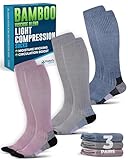


As an Amazon Associate, Exercise Daily earns from qualifying purchases. This post may contain affiliate links. Last updated: October 23, 2026
Practical Tips for Better Sleep Through Exercise
Here are some practical strategies to enhance sleep quality through exercise:
- Start with What You Enjoy: Choose activities that you find enjoyable, whether it’s dancing, swimming, or hiking. This increases the likelihood that you’ll stick with your routine. Enjoyment is a key factor in adherence, as it transforms exercise from a chore into a rewarding experience.
- Incorporate a Mix of Activities: Combine aerobic exercises (like running or cycling) with strength training and flexibility exercises (like yoga or Pilates) for a well-rounded fitness program. This variety not only keeps workouts interesting but also promotes overall fitness, which is beneficial for sleep.
- Create a Schedule: Set aside specific times for your workouts. Consistency is key to reaping the sleep benefits of exercise. Establishing a routine helps signal to your body when it’s time to be active and when it’s time to rest.
- Monitor Your Progress: Keep track of how different times of day and types of exercise affect your sleep. This will help you find the best routine for your needs. Consider using a journal or an app to log your activities and sleep patterns, allowing you to identify trends over time.
Example Weekly Exercise Routine
Here’s a sample weekly routine that balances various types of exercises to support sleep quality:
| Day | Exercise | Duration | Type |
|---|---|---|---|
| Monday | Brisk Walking | 30 minutes | Aerobic |
| Tuesday | Yoga | 45 minutes | Flexibility/Relaxation |
| Wednesday | Strength Training | 30 minutes | Resistance |
| Thursday | Swimming | 30 minutes | Aerobic |
| Friday | Rest Day | — | — |
| Saturday | Dance Class | 60 minutes | Aerobic |
| Sunday | Hiking | 90 minutes | Aerobic |
Frequently Asked Questions
Can I exercise if I have trouble sleeping?
Absolutely! In fact, regular exercise can help improve sleep quality. Start with light activities and gradually increase intensity as your body adapts. Many people find that even small changes, like a daily walk, can lead to significant improvements in their sleep patterns over time.
What time of day is best for exercising to improve sleep?
While morning or early afternoon workouts are generally recommended, many people find that exercising in the late afternoon or early evening doesn’t disrupt their sleep. Pay attention to how your body responds and adjust accordingly. Experimenting with different times can help you determine when you feel most energized and when you sleep best.
Is there a specific type of exercise that helps with sleep?
Both aerobic exercises (like running or swimming) and mind-body practices (like yoga or tai chi) have been shown to improve sleep quality. A combination of both can be particularly effective. Aerobic exercises elevate heart rate and promote cardiovascular health, while mind-body practices help reduce stress and promote relaxation, creating a holistic approach to better sleep.
How long before bed should I stop exercising?
It’s best to finish vigorous workouts at least two hours before bedtime to allow your body to wind down. However, light stretching or yoga can be beneficial right before sleep. These calming activities can help signal to your body that it’s time to relax and prepare for rest.
Can too much exercise negatively affect sleep?
Yes, overtraining can lead to fatigue and sleep disturbances. It’s essential to balance exercise with rest and recovery. Incorporate rest days and listen to your body’s signals. If you notice changes in your sleep quality as you increase your activity level, it may be time to reassess your routine.
Conclusion
Incorporating exercise into your daily routine can significantly enhance sleep quality, allowing you to feel more rested and rejuvenated. By understanding how exercise improves sleep quality and implementing practical strategies, you can transform your sleep patterns and overall health. Remember, the key is consistency and finding the right balance for your lifestyle. Prioritize your physical activity as a crucial component of your health regimen, and watch as it positively influences your sleep and well-being.
Eat daily, sleep daily, exercise daily.
- References
- Hirshkowitz, M., Whiton, K., Albert, S. M., et al. (2015). National Sleep Foundation’s Sleep Time Duration Recommendations: Methodology and Results Summary. Sleep Health.
- García, A., et al. (2020). The role of physical activity in the management of insomnia: A systematic review and meta-analysis. Sleep Medicine Reviews.
- Hale, L., & Guan, L. (2015). Socioeconomic disparities in sleep: A review of the literature. Sleep Medicine Reviews.
- American College of Sports Medicine. (2018). Physical Activity Guidelines.
These are for informational purposes only. Consult your doctor and do your own research before use.