Exercise Daily _ Reaction Training Exercises For Soccer Players
Believing that endurance and strength training alone will elevate a soccer player’s performance is a grave misconception; without reaction training, players risk being outpaced by their competition. Many coaches and athletes mistakenly focus on building cardiovascular fitness and muscle strength, neglecting the crucial skill of reaction time. In soccer, split-second decisions can determine the outcome of a game, making it imperative for players to engage in targeted exercises that enhance their responsiveness on the field. Reaction training encompasses a variety of drills designed to improve not just physical capabilities but also cognitive functions that are essential for success in soccer.
Who This Is For
- Soccer players looking to improve their game performance.
- Coaches seeking effective drills for their teams.
- Parents of young athletes wanting to enhance their child’s skills.
- Fitness enthusiasts interested in sports-specific training.
- Recreational players aiming to compete at a higher level.
What Most People Get Wrong
As an Amazon Associate, Exercise Daily earns from qualifying purchases. This post may contain affiliate links. Last updated: May 11, 2026
One of the most common errors in soccer training is the underestimation of reaction time as a critical component of performance. Many players and coaches focus primarily on physical conditioning, tactical understanding, and technical skills, ignoring the fact that reaction time can be the deciding factor in a player’s ability to execute those skills effectively. A study published in the Journal of Sports Sciences highlights that reaction time significantly impacts performance outcomes in team sports, including soccer. This study shows that athletes who can respond quickly to stimuli often outperform their peers who lack this skill, emphasizing the need for targeted reaction training.
Another prevalent myth is that reaction training can be effectively performed without any specific drills or structured exercises. Players might assume that simply playing the game will naturally improve their reaction time. However, without focused training, improvement in this area can be slow and inconsistent. Research indicates that structured reaction time training can yield significant gains, as detailed in a study from the Frontiers in Psychology. This study suggests that athletes who engage in systematic reaction training not only see improvements in response times but also develop a greater ability to anticipate and react to opponents’ movements.
Why This Actually Works
Reaction training exercises utilize various stimuli to enhance a player’s ability to respond quickly to dynamic situations on the field. These exercises not only train the body but also the mind, creating a comprehensive approach to performance enhancement. Here’s why these exercises are effective:
1. Improved Cognitive Processing
Soccer requires players to make rapid decisions based on visual cues. Reaction training enhances cognitive processing speed, allowing players to interpret these cues more effectively. A study conducted by NIH found that athletes who engage in cognitive training display improved decision-making skills in sports scenarios. This improvement is crucial in soccer, where players must quickly assess the position of teammates, opponents, and the ball, often within fractions of a second. Enhanced cognitive processing translates to better tactical awareness and the ability to exploit spaces and opportunities during matches.
2. Enhanced Motor Skills
When players practice reaction drills, they refine their motor skills, improving coordination and agility. This physical aspect is crucial in a sport where quick directional changes are necessary. A meta-analysis in the Journal of Sports Medicine supports this, showing a direct correlation between reaction training and improved motor skills. As players engage in drills that require swift movements and changes in direction, they develop muscle memory that allows for more fluid motion on the field. This enhanced motor skill set is vital for executing complex plays and maintaining balance while under pressure from opponents.
3. Increased Confidence and Game Readiness
Regular practice of reaction drills builds muscle memory, allowing players to react instinctively during matches. This preparedness translates into increased confidence on the field, as players feel equipped to handle various game situations. Confidence is a vital component of athletic performance, as noted in a study in the Journal of Sport & Exercise Psychology. When players trust their ability to respond quickly and effectively, they are more likely to take risks and make bold plays, which can be the difference between a goal and a missed opportunity. This psychological aspect of training cannot be overlooked, as the mindset of an athlete significantly influences their performance in high-pressure situations.
Effective Reaction Training Exercises
Here are some practical reaction training exercises that soccer players can incorporate into their training regimens:
1. Ball Drop Drill
In this drill, a partner holds a tennis ball at shoulder height and drops it without warning. The player must react quickly to catch the ball before it hits the ground. This exercise sharpens reflexes and hand-eye coordination. To increase the challenge, players can vary the height from which the ball is dropped or add a twist by requiring the player to catch the ball with one hand. The unpredictability of this drill simulates game-like scenarios where players must be alert and ready to respond to sudden changes.
2. Reaction Lights
Utilizing reaction training lights, players respond to randomly illuminated lights by stepping on corresponding pads. This drill enhances both visual processing and agility, replicating the quick decision-making required on the field. The lights can be programmed to change colors or patterns, challenging players to remain focused and adapt quickly to new stimuli. Incorporating this technology not only makes training more engaging but also provides measurable feedback on improvement over time.
3. Mirror Drill
In this exercise, one player acts as the leader while the other mirrors their movements. The leader can change direction or speed unexpectedly, and the follower must respond quickly. This drill improves agility and mimics the unpredictable nature of a soccer match. To further develop the drill, players can introduce a ball, requiring the leader to dribble while the follower mirrors their movements. This added complexity enhances the drill’s effectiveness by integrating ball control into the reaction training.
4. Agility Ladder with Reaction Component
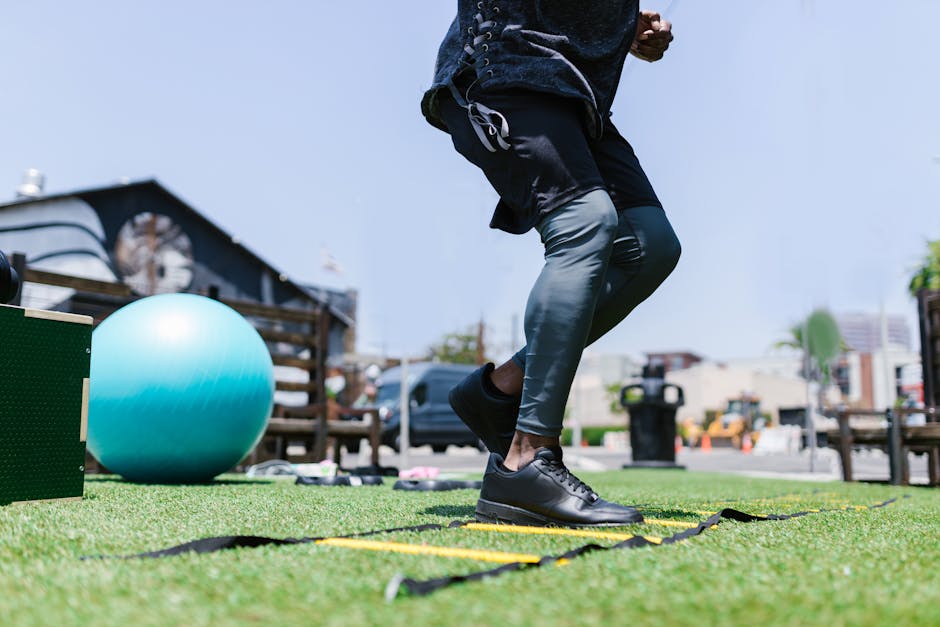
Set up an agility ladder and call out commands for players to follow while navigating the ladder. Commands can include forward, backward, or lateral movements. This drill enhances foot speed and reaction time simultaneously. To increase the intensity, coaches can introduce a timer or require players to execute specific movements based on visual or auditory cues. This not only boosts physical fitness but also trains players to think and react quickly, fostering better decision-making skills.
5. 1v1 Situations
In a small-sided game, create scenarios where players must react to their opponent’s movements. This not only tests their reaction time but also their tactical awareness and ability to make quick decisions under pressure. Coaches can set specific objectives for the players, such as scoring within a limited time or restricting certain movements to encourage creativity and adaptability. This drill mirrors real-game situations, providing players with the experience needed to perform under competitive conditions.
Incorporating these drills into regular training sessions can lead to substantial improvements in a player’s performance on the field. Coaches can structure these exercises to fit into warm-ups or dedicated skill sessions, ensuring that athletes receive the necessary training to elevate their game. Additionally, players should be encouraged to track their progress and set personal goals for improvement, fostering a sense of ownership over their development.
Frequently Asked Questions
1. How often should soccer players perform reaction training exercises?
Soccer players should aim to incorporate reaction training exercises into their routine at least 2-3 times per week for optimal results. Consistency is key for developing quick reflexes. Additionally, players should consider varying the types of exercises they perform to keep their training engaging and effective. This variation not only prevents boredom but also challenges different aspects of their reaction time and cognitive processing abilities.
2. Can reaction training exercises be done at home?
Yes, many reaction training exercises can be adapted for home use. Simple drills, such as the ball drop drill, require minimal equipment and can be performed in small spaces. Players can also utilize household items such as cones or markers to create makeshift obstacle courses. Engaging in these drills at home allows for flexibility in training schedules and ensures that players remain active and focused on improving their reaction times, even outside of structured team practices.
3. What equipment is needed for effective reaction training?
While some drills require partners or specific equipment like reaction lights, many can be performed with basic items such as tennis balls, cones, or agility ladders. The focus should be on movement and responsiveness rather than specialized gear. Coaches and players can also explore DIY solutions for equipment that may not be readily available, ensuring that reaction training remains accessible to all athletes, regardless of their resources.
Conclusion
In the competitive world of soccer, where every millisecond counts, reaction training exercises can make the difference between winning and losing. By debunking the myth that strength and endurance are all that matter, players and coaches can embrace a more holistic training approach. Implementing structured reaction drills not only enhances performance on the field but also fosters the mental agility necessary for success. Remember, the best athletes are those who can react swiftly and efficiently—so start integrating reaction training into your routine today!
- Journal of Sports Sciences
- Frontiers in Psychology
- NIH
- Journal of Sports Medicine
- Journal of Sport & Exercise Psychology
For more insights on enhancing your fitness and performance, explore our articles on exercise and fitness. Remember, the journey to becoming a better player starts with the right training. Eat daily, sleep daily, exercise daily.