Best Exercises To Improve Coordination | Exercise Daily
Many people mistakenly believe that coordination is an innate skill, reserved for athletes and dancers. In reality, coordination is a trainable ability that can be significantly improved through consistent practice and the right exercises. Whether you’re a beginner or an experienced gym-goer, incorporating specific coordination exercises into your routine can enhance your overall physical performance, balance, and agility. This article will delve deeper into the best exercises, their benefits, and practical tips to integrate them into your fitness regimen. For more help, see our exercise training guides.
Who This Is For
- Beginners looking to enhance their overall fitness.
- Athletes aiming to improve their sports performance.
- Busy adults who want to incorporate effective movements into their routines.
- Parents seeking fun activities to do with their children.
- Individuals recovering from injuries needing to regain balance and motor skills.
What Most People Get Wrong


As an Amazon Associate, Exercise Daily earns from qualifying purchases. This post may contain affiliate links. Last updated: August 26, 2026
One common misconception about coordination is that it only involves hand-eye coordination, such as catching a ball or hitting a target. However, coordination encompasses a variety of skills, including balance, agility, and movement control across different body parts. Many individuals focus solely on strength or endurance, neglecting the importance of coordination, which is essential for overall physical fitness and injury prevention. Understanding that coordination is a multifaceted skill can help individuals appreciate its role in everyday movements, from walking and running to more complex activities like dancing or participating in sports. For more help, see our exercise training guides.
Why This Actually Works
Improving coordination involves practicing exercises that challenge your body to execute multiple movements simultaneously. This type of training enhances the communication between your brain and muscles, resulting in better motor control and increased body awareness. Research indicates that activities that require complex movements, such as dance or martial arts, can significantly improve coordination (Buchanan et al., 2021). Furthermore, coordination exercises often engage core stability, which is crucial for maintaining balance during everyday activities. Engaging in these exercises not only boosts physical performance but also stimulates cognitive processes, leading to improved reaction times and decision-making skills. For more help, see our exercise training guides.
Mistakes to Avoid
- Neglecting Warm-Up: Always perform a proper warm-up to prepare your muscles and joints for the coordination exercises. A good warm-up increases blood flow to the muscles, enhances flexibility, and reduces the risk of injuries.
- Ignoring Form: Prioritize proper technique over speed or intensity to avoid injuries. Poor form can lead to muscle strains or joint issues, undermining your efforts to improve coordination.
- Overtraining: Allow adequate recovery time between sessions to prevent fatigue, which can hinder coordination. Overtraining can lead to burnout and decrease your overall performance.
Best Exercises To Improve Coordination
Here are some of the most effective exercises to improve coordination, categorized by difficulty level:
| Exercise | Target Muscle | Sets | Reps | Difficulty | Safety Cue |
|---|---|---|---|---|---|
| Jumping Jacks | Full Body | 3 | 15-20 | Beginner | Keep knees soft upon landing. |
| Single-Leg Balance | Legs/Core | 3 | 30 seconds each leg | Beginner | Engage your core for stability. |
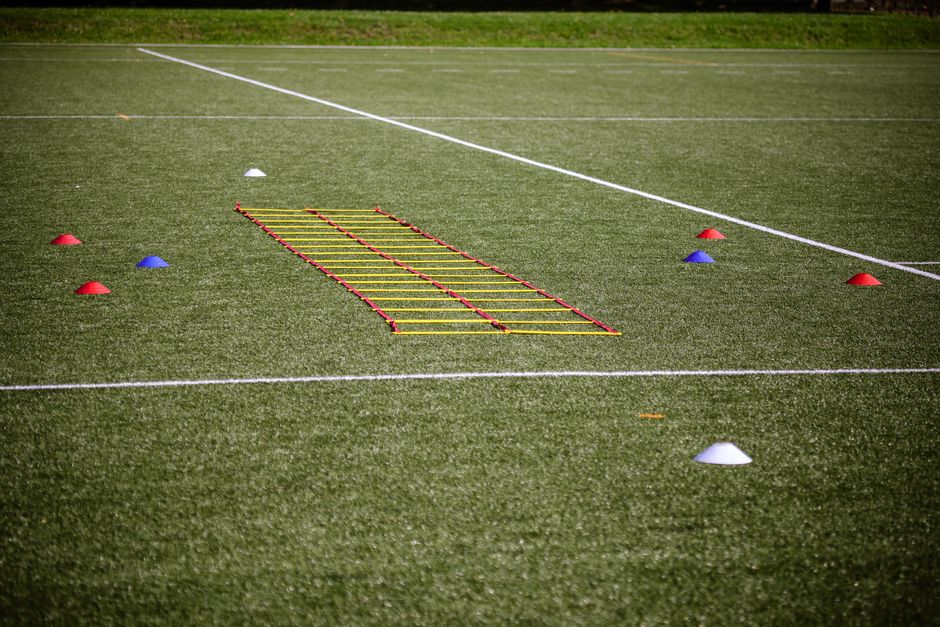
| Agility Ladder Drills | Legs/Core | 4 | 1 minute | Intermediate | Focus on quick foot movements. |
| Medicine Ball Throws | Upper Body/Core | 3 | 10-15 | Intermediate | Use proper form to protect your back. |
| Box Jumps | Legs/Core | 3 | 8-10 | Advanced | Ensure the box is stable and secure. |
Beginner Tips
- Start with basic exercises like jumping jacks and balance work. These foundational movements will help you develop body awareness and control.
- Focus on slow and controlled movements to master technique. Quality over quantity is essential in coordination training.
- Incorporate coordination exercises into your warm-up routine to build familiarity. This will help you transition into more complex movements with ease.
Advanced Tips
- Challenge yourself with complex movements, such as combining upper and lower body actions. For instance, you can perform a squat while throwing a medicine ball to a partner.
- Incorporate dynamic movements, like plyometrics, to enhance agility and coordination. Exercises such as burpees or tuck jumps can further develop your coordination skills.
- Use tools like balance boards or agility ladders for added difficulty. These tools can increase the challenge and variability of your training sessions.
Practical Examples and Real-World Use Cases
Incorporating coordination exercises into your routine can yield significant benefits in everyday activities. For instance, improved coordination helps prevent falls, which is particularly important for older adults. Studies have shown that balance training can reduce the risk of falls by improving stability and body control. Athletes can benefit from enhanced coordination during sports that require quick changes in direction, such as soccer or basketball. In these sports, the ability to swiftly adjust one’s body position can mean the difference between success and failure in executing plays.
Additionally, parents can engage their children in fun coordination activities, promoting fitness in a playful way. For example, playing tag or setting up obstacle courses can enhance children’s coordination while allowing them to enjoy physical activity. Consider a weekly routine that includes a mix of these exercises. For example, you might start your week with agility ladder drills on Monday, practice single-leg balances on Wednesday, and finish with medicine ball throws on Friday. This variety keeps your workout engaging while systematically improving your coordination. Furthermore, tracking your progress can motivate you to continue, whether it’s timing your agility drills or counting the number of successful single-leg balances.
Frequently Asked Questions
- How often should I do coordination exercises?
Aim for at least 2-3 times per week to see improvement. Consistency is crucial for developing and maintaining coordination skills. - Can coordination exercises help with sports performance?
Yes, they enhance agility, balance, and overall athletic performance. Improved coordination allows athletes to respond faster and execute movements more efficiently. - What is the best age to start coordination training?
It’s beneficial at any age, but starting young can help develop lifelong skills. Children can greatly enhance their motor skills through play and structured activities. - Do I need special equipment for these exercises?
Most exercises can be done with minimal equipment; however, items like agility ladders and medicine balls can enhance your routine. These tools can provide variety and increase the challenge level.
Conclusion
Improving your coordination is not just for athletes; it’s a crucial skill for everyone seeking to enhance their physical fitness and daily functionality. Incorporating a variety of coordination exercises into your routine will not only challenge your body but also keep you engaged and motivated. Remember, consistency is key, so make these exercises a regular part of your weekly workouts. Whether you are a beginner or looking to refine your skills, the best exercises to improve coordination are within your reach. Start today and watch your skills improve!
Eat daily, sleep daily, exercise daily.
- References