How To Organize Resistance Bands For Home Workouts | Exercise Daily
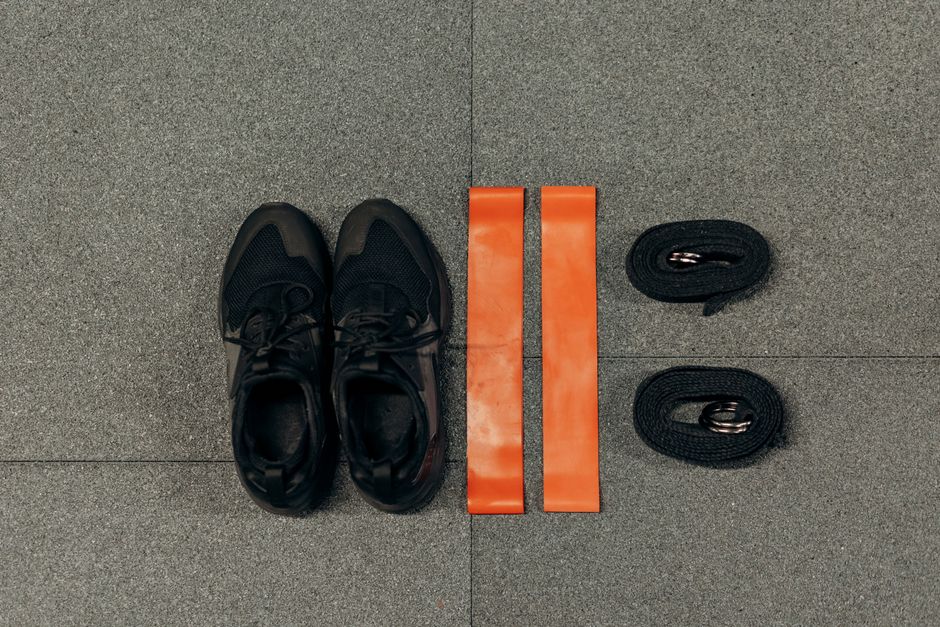
Many people believe that organizing resistance bands is a trivial task, but a well-structured system can significantly enhance your home workouts. The way you organize resistance bands can make a difference in your workout efficiency and motivation. A cluttered setup may lead to wasted time searching for the right band or, worse, discouragement from working out altogether. For more help, see our exercise training guides.
Who This Is For
- Beginners who are just starting their fitness journey.
- Busy adults looking to maximize their home workout time.
- Parents needing a quick and efficient workout solution.
- Overweight users aiming for a manageable at-home routine.
- Gym-goers wanting to incorporate bands into their existing workouts.
What Most People Get Wrong
A common mistake is thinking that all resistance bands are the same and can be stored anywhere. Many people toss them in a drawer or leave them lying around, which leads to tangles and damage. Proper organization not only extends the life of your bands but also makes your workouts more effective by providing easy access to the right tools. For more help, see our fitness performance tips.
Why This Actually Works
Organizing resistance bands helps create a dedicated workout space, making it easier to get in the right mindset. When everything is in its place, you can focus more on your exercises rather than on finding equipment. This streamlined approach can encourage consistency in your workout routine, leading to better results over time.
Mistakes to Avoid
- Ignoring band quality: Not all bands are created equal. Check for wear and tear regularly to avoid accidents.
- Overlooking storage solutions: Avoid using inappropriate storage that can damage bands, such as metal hooks or overly tight containers.
- Neglecting space: Don’t underestimate the importance of having a dedicated space for your bands. A cluttered area can lead to a chaotic workout experience.
Organizing Your Resistance Bands
Here’s a step-by-step guide to effectively organizing your resistance bands:
- Sort Your Bands: Group bands by resistance level and type. This makes it easier to select the right band for your workout.
- Choose a Storage Method: Consider using a dedicated storage solution like a wall-mounted rack, a basket, or a drawer organizer. Ensure it’s easily accessible.
- Labeling: Label your storage solution to quickly identify the resistance levels. This saves time when selecting bands during workouts.
- Regular Maintenance: Periodically check your bands for damage and clean them as necessary. Replace any bands that show signs of wear.

Optional Equipment
- Storage Racks: Choose a rack that can hold multiple bands without tangling. Look for one that’s durable and easy to mount or use freestanding.
- Carabiners: These can help attach bands to various anchor points, providing more versatility during workouts.
Sample Resistance Band Workout
| Exercise | Target Muscle | Sets | Reps | Difficulty | Safety Cue |
|---|---|---|---|---|---|
| Banded Squats | Legs | 3 | 12-15 | Beginner | Keep knees aligned with toes. |
| Banded Rows | Back | 3 | 10-12 | Intermediate | Engage core, avoid rounding back. |
| Banded Chest Press | Chest | 3 | 10-12 | Advanced | Maintain a neutral wrist position. |
Frequently Asked Questions
How do I know which resistance band to use?
Select a band that allows you to perform the exercise with proper form while still providing a challenge. Start with lighter bands and progress as you gain strength.
Can I use resistance bands for every workout?
Yes, resistance bands can be used for a wide variety of exercises targeting different muscle groups, making them versatile for full-body workouts.
How should I clean my resistance bands?
Wipe them down with a damp cloth after use and store them in a cool, dry place. Avoid using harsh chemicals that may degrade the material.
What is the best way to store resistance bands?
Store them in a dedicated space such as a drawer, rack, or basket that prevents tangling and damage, ensuring they are easily accessible.
Can resistance bands replace weights?
While resistance bands can provide effective strength training, they may not fully replace weights for all exercises. They are best used as a complement to other forms of resistance training.
Organizing resistance bands is an essential part of creating an efficient home workout environment. With the right strategies in place, you can ensure that your bands are always ready for use, making your fitness journey smoother and more enjoyable.
Eat daily, sleep daily, exercise daily. For more help, see our wellness and recovery habits.
These are for informational purposes only. Consult your doctor and do your own research before use.