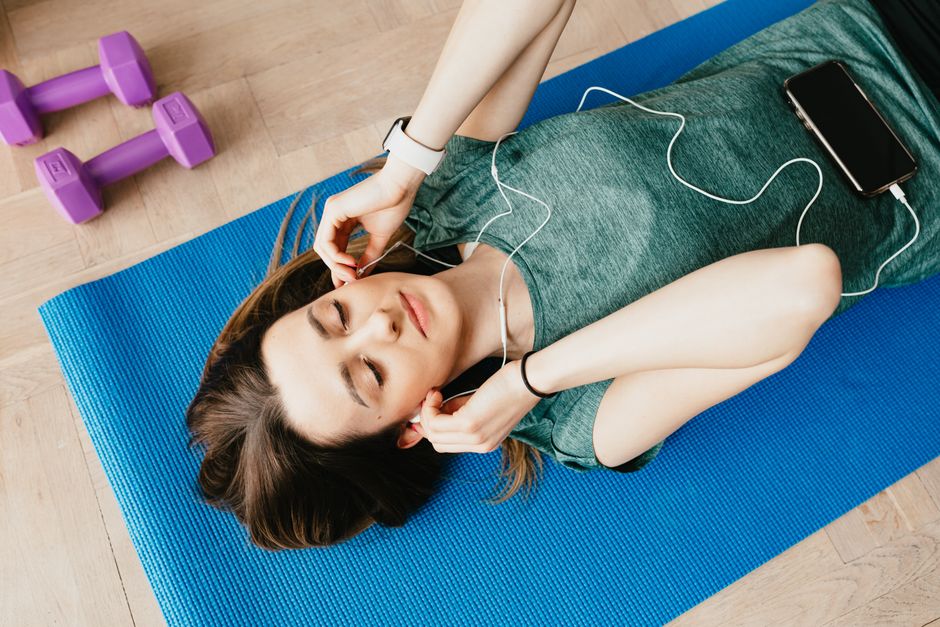
Morning Vs Evening Workouts For Sleep | Exercise Daily
Many believe that working out in the morning guarantees better sleep at night, but this is a myth. The truth is that both morning and evening workouts can influence your sleep quality, and the best choice often depends on your individual lifestyle, preferences, and body rhythms. Understanding how morning vs evening workouts affect sleep can help you tailor your exercise routine for optimal rest and recovery. For more help, see our exercise training guides.
Who This Is For
- Beginners looking to establish a consistent workout routine.
- Athletes aiming to optimize performance and recovery.
- Busy adults juggling work and personal commitments.
- Parents who need to fit workouts around their children’s schedules.
- Individuals struggling with sleep issues or insomnia.
What Most People Get Wrong


As an Amazon Associate, Exercise Daily earns from qualifying purchases. This post may contain affiliate links. Last updated: October 9, 2026
Commonly, people assume that morning workouts are inherently better for sleep. They believe that exercising early can tire them out, leading to deeper sleep at night. However, studies indicate that the timing of exercise does not universally dictate sleep quality. For some, evening workouts can help reduce stress and improve relaxation, making it easier to fall asleep. This misconception can lead individuals to miss out on the benefits of evening workouts, especially if they are naturally more energetic during that time. For more help, see our exercise training guides.
Furthermore, the societal norms often place a high value on morning routines, associating them with productivity and discipline. This can create a bias where individuals feel pressured to conform, potentially overlooking their natural inclinations and energy patterns. Acknowledging these factors is crucial in making workout decisions that truly benefit your sleep and overall well-being. For more help, see our exercise training guides.
Why This Actually Works
Research shows that exercise can positively influence sleep, regardless of when it’s performed. According to a study published in the Journal of Clinical Sleep Medicine, regular physical activity leads to improved sleep quality and duration. Here’s why both morning and evening workouts can be beneficial:
- Morning Workouts: They can enhance mood and energy levels throughout the day, thanks to the endorphins released during exercise. Morning exercisers often report feeling more alert and productive. Engaging in physical activity first thing in the morning can set a positive tone for the rest of the day, making individuals feel accomplished and more focused.
- Evening Workouts: These can serve as a stress reliever after a long day. Engaging in physical activity can help lower cortisol levels, promoting a sense of calm that can aid in falling asleep. Additionally, evening workouts can be particularly beneficial for those who experience high levels of stress or anxiety, as they provide an outlet for pent-up energy and tension accumulated throughout the day.
Mistakes to Avoid
When planning your workouts, be mindful of these common mistakes:
- Neglecting Personal Preference: Choose a time that fits your lifestyle and energy levels. If you’re not a morning person, forcing yourself to wake up early for a workout may lead to burnout. It’s essential to listen to your body and recognize when you feel most energized and motivated to exercise.
- Ignoring Sleep Quality: Pay attention to how your body responds to different workout times. If evening workouts leave you too energized to sleep, consider adjusting the intensity or timing. Keeping a sleep diary can be useful to track how different workout times impact your sleep quality.
- Overtraining: Regardless of when you exercise, ensure you allow adequate recovery time. Overworking your body can lead to fatigue and disrupted sleep. Scheduling rest days and varying your workout intensity can help prevent overtraining and promote better sleep patterns.
Practical Tips for Morning and Evening Workouts
Morning Workout Tips
- Start with light stretching or yoga to wake up your muscles and improve flexibility. Incorporating dynamic stretches can further prepare your body for more intense physical activity.
- Consider high-intensity interval training (HIIT) for a quick and effective workout. HIIT can elevate your heart rate and metabolism, maximizing benefits in a shorter time frame.
- Stay hydrated before and after your workout to maintain energy levels. Proper hydration is crucial, as dehydration can lead to fatigue and decreased performance.
- Incorporate a balanced breakfast post-workout to replenish energy stores. Foods rich in protein and complex carbohydrates can aid recovery and provide sustained energy throughout the day.
Evening Workout Tips
- Opt for lighter exercises like walking, swimming, or yoga to avoid overstimulation. These activities can help promote relaxation without causing excessive fatigue.
- Focus on mindfulness and relaxation techniques post-workout, such as deep breathing or meditation. These practices can further enhance the calming effects of your evening workout.
- Avoid high-impact or intense workouts too close to bedtime, as they may interfere with your ability to fall asleep. Instead, aim to finish your workout at least 2-3 hours before you plan to sleep.
- Consider incorporating a cool-down routine that includes gentle stretching or foam rolling to help your body transition into a restful state.
| Exercise | Target Muscle | Sets | Reps | Difficulty | Safety Cue |
|---|---|---|---|---|---|
| Push-ups | Chest, Triceps | 3 | 10-15 | Medium | Keep your body straight |
| Squats | Legs, Glutes | 3 | 12-15 | Easy | Keep your knees behind your toes |
| Plank | Core | 3 | 30 seconds | Medium | Engage your core and keep hips level |
Frequently Asked Questions
1. Does the time of day I work out really affect my sleep?
Yes, the timing can affect your sleep, but it varies by individual. Some may find morning workouts energizing, while others may benefit from evening workouts that help them unwind. It is essential to experiment with both to determine which fits your lifestyle and sleep patterns best.
2. Can evening workouts lead to poor sleep?
If workouts are too intense or close to bedtime, they can interfere with your ability to fall asleep. It’s essential to find a balance that works for you. Monitoring your body’s response to evening exercise can help you identify the best time and type of workout.
3. What type of workout is best for improving sleep quality?
Both aerobic exercises and strength training can improve sleep quality. The key is consistency and finding what feels best for your body. Engaging in a variety of workouts can also keep you motivated and engaged in your fitness routine.
4. How long before bed should I stop exercising?
It’s generally recommended to finish vigorous workouts at least 2-3 hours before bedtime to allow your body to wind down. However, light to moderate exercise can be beneficial closer to bedtime, as it may help relax your body and prepare it for sleep.
5. What if I’m too tired to work out in the morning?
It’s okay to listen to your body. If morning workouts aren’t suitable, consider evening sessions or find a time that fits your energy levels better. Remember that the best workout is the one that you can maintain consistently, regardless of the time of day.
Conclusion
Ultimately, whether you choose morning or evening workouts for sleep should align with your personal preferences, lifestyle, and how your body responds. Experiment with both to find what enhances your sleep quality the most. Remember, the real benefit comes from consistent exercise, so find a routine that you can stick to. Morning vs evening workouts can both be effective; it’s all about what works best for you. Tailoring your exercise regimen to fit your individual needs will not only improve your sleep quality but also enhance your overall health and well-being.
Eat daily, sleep daily, exercise daily.
- References