Full Body Resistance Band Workout At Home | Exercise Daily
Many people believe that you need heavy weights to achieve a full-body workout, but this couldn’t be further from the truth. A full body resistance band workout at home can effectively build strength, endurance, and flexibility without the bulk and risk that comes with traditional weights. Resistance bands are not just for rehabilitation; they are versatile tools that can challenge any fitness level, making them perfect for busy adults, parents, and those just starting their fitness journey. For more help, see our exercise training guides.
Who This Is For
- Beginners looking to ease into strength training without the intimidation of heavy weights.
- Busy adults who need a quick and effective full-body workout they can do at home.
- Parents seeking a way to fit in exercise while managing kids at home.
- Individuals recovering from injury who need low-impact strength training options.
- Experienced gym-goers wanting to diversify their workout routine with bands.
What Most People Get Wrong
One common misconception is that resistance bands are less effective than free weights. While it’s true that bands provide a different type of resistance, they can be just as effective—if not more so—for building strength and muscle endurance. Many people also underestimate the importance of proper form, which can lead to injury and reduced effectiveness. Using bands incorrectly can negate their benefits and lead to frustration. In fact, improper use of resistance bands can lead to both acute injuries, such as strains, and chronic issues, like tendinitis, due to repetitive stress. For more help, see our exercise training guides.
Why This Actually Works
Resistance bands create resistance through their elasticity, which allows you to target muscles effectively at different angles. They also provide constant tension throughout the movement, engaging your muscles more than traditional weights in some cases. According to a study published in the Journal of Sports Science and Medicine, resistance bands can improve strength and muscle performance comparable to free weights (1). This makes them suitable for a variety of fitness levels and goals. For more help, see our exercise training guides.
Furthermore, resistance bands are portable, inexpensive, and versatile, allowing you to perform a wide range of exercises that can be adapted to your personal fitness level. This adaptability is key for long-term success in any fitness regimen. Whether you are in a small apartment, traveling, or at home, resistance bands can easily be incorporated into your daily routine, ensuring that you stay active regardless of your circumstances.
Mistakes to Avoid


As an Amazon Associate, Exercise Daily earns from qualifying purchases. This post may contain affiliate links. Last updated: October 9, 2026
When using resistance bands, avoid these common mistakes:
- Using a band that is too light or too heavy: Choose a resistance level that challenges you but allows you to maintain proper form. A band that is too light will not provide enough resistance to stimulate muscle growth, while one that is too heavy can lead to poor form and injury.
- Neglecting form: Always prioritize good form over the number of reps or resistance. Poor form can lead to injuries. Use a mirror or record yourself to ensure that your body is aligned correctly during each movement.
- Skipping warm-up and cool-down: Always include a warm-up and cool-down in your routine to prevent injuries and promote recovery. A good warm-up increases blood flow to the muscles and prepares your body for exercise, while cooling down helps to gradually lower your heart rate and prevent stiffness.
- Ignoring breath control: Maintain a steady breathing pattern; exhale during exertion and inhale during the release. Proper breathing not only helps with performance but also aids in maintaining core stability during exercises.
Full Body Resistance Band Workout Routine
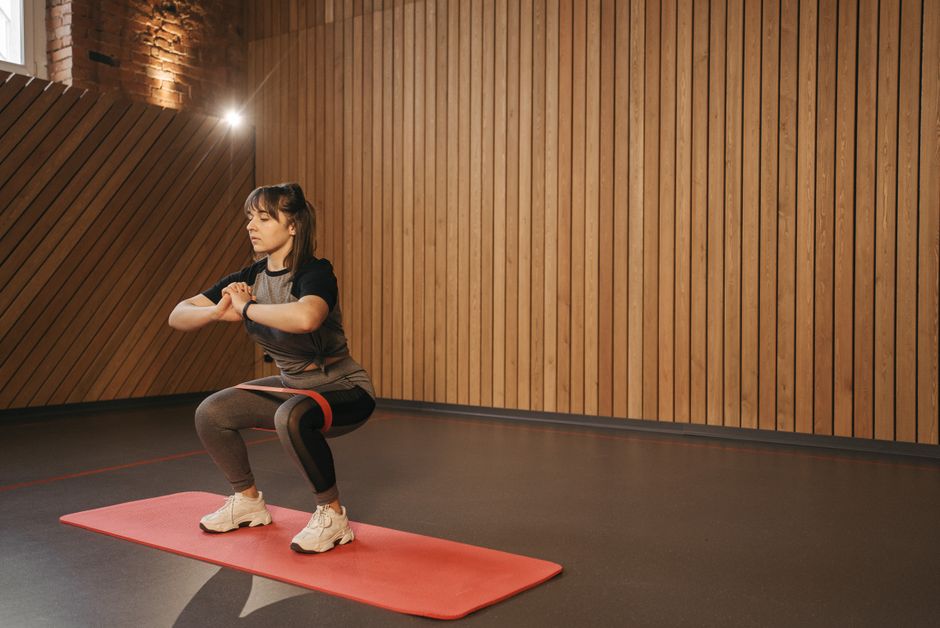
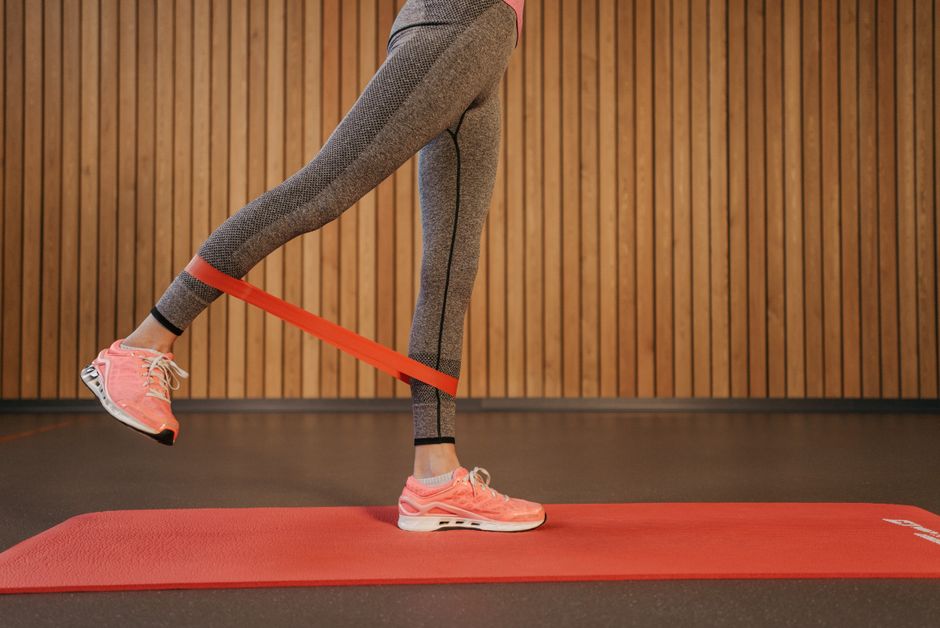
Here’s a practical full body resistance band workout you can do at home. This routine targets all major muscle groups and can be done in under 30 minutes, making it ideal for those with a busy schedule. Each exercise is designed to maximize muscle engagement while ensuring safety and effectiveness.
| Exercise | Target Muscle | Sets | Reps | Difficulty | Safety Cue |
|---|---|---|---|---|---|
| Squats | Legs, Glutes | 3 | 10-15 | Beginner | Keep knees aligned with toes. |
| Chest Press | Chest, Shoulders | 3 | 10-15 | Beginner | Engage core to stabilize. |
| Seated Row | Back, Biceps | 3 | 10-15 | Beginner | Keep back straight, pull with elbows. |
| Deadlift | Hamstrings, Glutes | 3 | 10-15 | Beginner | Maintain flat back throughout. |
| Overhead Press | Shoulders, Triceps | 3 | 10-15 | Intermediate | Keep core engaged for stability. |
| Side Lateral Raise | Shoulders | 3 | 10-15 | Intermediate | Lift to shoulder height, control the descent. |
Beginner Tips
- Start with a light resistance band to master the movements before progressing to heavier bands. This approach allows you to focus on form and technique, which are crucial for avoiding injuries.
- Focus on controlled movements rather than speed to build muscle effectively. Slow, deliberate movements can increase the time under tension, leading to greater muscle growth.
- Incorporate rest days into your routine to allow muscles to recover. Recovery is essential for muscle repair and growth, and helps prevent burnout.
Advanced Tips
- Experiment with different band positions to target muscles from various angles. For example, changing the height at which you anchor the band can alter the angle of resistance, providing a new stimulus for your muscles.
- Increase the resistance by using thicker bands or doubling up bands for added intensity. This can help you continually challenge your muscles and avoid plateaus in your training.
- Incorporate supersets—performing two exercises back-to-back without rest—to intensify your workout. This technique can boost your heart rate and increase calorie burn, making your workout more efficient.
Frequently Asked Questions
1. How often should I do a full body resistance band workout?
For optimal results, aim for 2-3 times per week, allowing at least one day of rest between sessions. This frequency allows your muscles to adapt and grow while giving your body time to recover.
2. Can resistance bands help with weight loss?
Yes, resistance bands can aid in weight loss by increasing muscle mass, which boosts metabolism, and by facilitating calorie-burning workouts. Incorporating resistance training into your routine can enhance overall fat loss as it increases your resting metabolic rate.
3. What resistance band should I start with?
Begin with a light resistance band to ensure proper form and technique, then gradually progress to heavier bands as you get stronger. It’s important to listen to your body and choose a band that challenges you without compromising your form.
4. Are resistance bands safe for seniors?
Yes, resistance bands are generally safe for seniors and can help improve strength, balance, and mobility. Always consult with a healthcare provider before starting any new exercise program, particularly if there are pre-existing health conditions.
5. Can I use resistance bands for rehabilitation?
Absolutely! Resistance bands are often used in rehabilitation settings because they allow for controlled movements and low-impact resistance. They can help rebuild strength and function after injuries, making them ideal for physical therapy.
Extra Value: Quick Recovery Tip
After your workout, spend 5-10 minutes stretching the major muscle groups you’ve worked. This can help reduce soreness and improve flexibility. Consider using a foam roller or massage ball on tight areas to enhance recovery. Stretching not only aids in recovery but also maintains muscle elasticity and range of motion, which is crucial for overall performance.
Conclusion
A full body resistance band workout at home is not only convenient but also an effective way to improve your strength and overall fitness. By incorporating bands into your routine, you can achieve a diverse range of movements that challenge your muscles in new ways. Remember to focus on form, listen to your body, and gradually increase the resistance as you progress. With consistency and dedication, you’ll find that resistance bands can be a powerful tool in your fitness arsenal. Embrace the versatility they offer and enjoy the journey toward a fitter, healthier you.
- References
Eat daily, sleep daily, exercise daily.
These are for informational purposes only. Consult your doctor and do your own research before use.