Top 5 This Week

Related Posts

Best Recovery Exercises After Workouts | Exercise Daily

Best Recovery Exercises After Workouts | Exercise Daily

Many believe that resting completely after a workout is the best way to recover, but that’s a myth that can hinder your progress. In reality, incorporating targeted recovery exercises after workouts can significantly enhance your muscle repair, flexibility, and overall performance. This article focuses on the best recovery exercises after workouts, providing you with practical advice and evidence-backed strategies to optimize your recovery process. Recovery is not just about resting; it involves actively engaging your body in ways that promote healing and readiness for future workouts. For more help, see our exercise training guides.

Who This Is For

  • Beginners looking to establish a solid post-workout routine.
  • Athletes aiming to improve their recovery and performance.
  • Busy adults who want efficient recovery strategies.
  • Parents balancing fitness with family commitments.
  • Individuals managing weight and seeking effective recovery methods.

What Most People Get Wrong

As an Amazon Associate, Exercise Daily earns from qualifying purchases. This post may contain affiliate links. Last updated: May 30, 2026

One common misconception is that passive recovery—like lying on the couch—is sufficient after intense workouts. While rest is vital, engaging in active recovery exercises can accelerate muscle healing and reduce soreness. Many also underestimate the importance of stretching and mobility work, thinking they are only for athletes or advanced gym-goers. In reality, everyone can benefit from these practices, regardless of fitness level. Active recovery can include low-intensity activities that keep your body moving without placing additional strain on already fatigued muscles. This approach can help maintain your fitness level while allowing your body the necessary time to repair itself. For more help, see our exercise training guides.

Why This Actually Works

Active recovery exercises promote blood circulation, delivering essential nutrients to muscles and flushing out metabolic waste. According to a study published in the Journal of Sports Sciences, active recovery can help decrease lactic acid buildup and enhance muscle recovery. Incorporating stretching and mobility work can also improve flexibility, ultimately leading to better performance and reduced injury risk. The physiological mechanisms behind this involve increased heart rate and blood flow, which facilitate the transport of oxygen and nutrients to the muscles, enhancing recovery and reducing the time it takes for muscle soreness to subside.

Mistakes to Avoid

When it comes to recovery exercises, there are several pitfalls to be aware of: For more help, see our exercise training guides.

  • Skipping Warm-Up and Cool Down: Always include a proper warm-up before and a cool-down after your workout to prepare your body and aid recovery. Warming up increases blood flow to your muscles, while cooling down helps gradually return your heart rate to its resting state.
  • Neglecting Hydration: Failing to drink enough water can hinder recovery. Ensure you’re hydrating adequately post-exercise. Dehydration can lead to muscle cramps and fatigue, hampering your recovery process.
  • Overdoing It: Recovery exercises should be gentle and restorative. Avoid high-intensity exercises immediately after a workout. Instead, focus on low-impact activities that promote recovery without adding stress to your muscles.

Effective Recovery Exercises

Here are some of the best recovery exercises you can include in your post-workout routine:

Exercise Target Muscle Sets Reps Difficulty Safety Cue
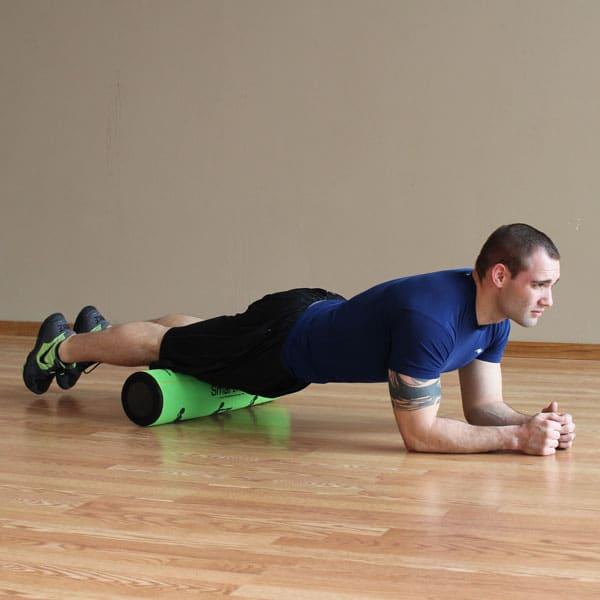
Foam Rolling Full Body 1 5 minutes Easy Roll slowly to avoid injury.
Child’s Pose Lower Back, Hips 1 Hold for 30 seconds Easy Focus on deep breathing.
Cat-Cow Stretch Spine, Core 2 10 Easy Move with your breath.
Standing Quad Stretch Quadriceps 2 30 seconds per leg Easy Keep knees close together.
Seated Hamstring Stretch Hamstrings 1 Hold for 30 seconds Easy Keep your back straight.

Beginner Tips

If you’re just starting out, focus on the following:

  • Start with gentle stretches and mobility exercises. Begin with basic movements that feel comfortable and gradually increase the intensity as your flexibility improves.
  • Incorporate foam rolling to help relieve muscle tightness. Use a foam roller on sore areas to decrease tension and improve blood flow.
  • Listen to your body; if something feels painful, stop. It’s essential to differentiate between discomfort and pain to avoid injury.

Advanced Tips

For those with more experience, consider these strategies:

  • Incorporate dynamic stretches into your cool-down routine. Movements like leg swings and arm circles can help maintain flexibility while preparing your muscles for future workouts.
  • Experiment with contrast baths (alternating hot and cold water) to enhance recovery. This method can stimulate circulation and reduce muscle soreness.
  • Use resistance bands for mobility work to target specific muscle groups. Bands can help improve strength and flexibility in a controlled manner.

Practical Examples and Routines

Here’s a simple recovery routine you can follow after your workouts:

  1. 5 minutes of foam rolling on major muscle groups. Focus on areas that feel tight or sore, spending extra time on those spots.
  2. Child’s Pose for lower back relief. This pose helps elongate the spine and release tension in the back and hips.
  3. Cat-Cow stretch for spinal mobility. This dynamic stretch helps improve flexibility in the spine while promoting relaxation.
  4. Standing Quad Stretch and Seated Hamstring Stretch for leg recovery. These stretches target the major muscle groups in your legs, facilitating recovery.
  5. Finish with deep breathing exercises to relax your mind and body. Deep breathing can help lower stress levels and promote a sense of calm.

Frequently Asked Questions

1. How soon after a workout should I do recovery exercises?

It’s best to start your recovery exercises immediately after your workout or within 30 minutes to maximize benefits. This timeframe allows your muscles to begin the recovery process while they are still warm and pliable.

2. Can I use recovery exercises on rest days?

Absolutely! Active recovery on rest days can help maintain blood flow and reduce soreness. Engaging in light activities such as walking, yoga, or gentle stretching can facilitate recovery without overexerting yourself.

3. How long should I spend on recovery exercises?

Spend about 15-30 minutes on recovery exercises, depending on your workout intensity and personal needs. Adjust the duration based on how your body feels, ensuring you provide adequate time for recovery.

4. Are there specific recovery exercises for different types of workouts?

Yes, consider incorporating stretches and mobility work that target the muscle groups used during your workout, such as hip openers after leg day. Tailoring your recovery routine to your workout can enhance the effectiveness of your recovery process.

5. Is foam rolling necessary for recovery?

While not necessary, foam rolling can significantly help alleviate muscle tightness and improve recovery times. Many athletes incorporate foam rolling into their routines due to its effectiveness in reducing soreness and improving flexibility.

Extra Value: Quick Recovery Checklist

  • Hydrate well post-workout. Drink water or electrolyte-replenishing beverages to stay hydrated.
  • Engage in 15-30 minutes of recovery exercises. This time is crucial for muscle repair and soreness reduction.
  • Incorporate a balanced meal with protein and carbs within an hour after exercising. This meal will provide the nutrients your muscles need to recover effectively.
  • Prioritize sleep to enhance recovery. Aim for 7-9 hours of quality sleep each night, as this is when your body does most of its healing and recovery.

Recovery is just as important as the workout itself. By incorporating these effective recovery exercises, you’ll not only reduce soreness but also prepare your body for your next workout. Remember, the goal is to enhance your performance and maintain a sustainable fitness journey. A well-rounded recovery routine will help you stay motivated and engaged in your fitness pursuits, allowing you to achieve your goals more efficiently.

    References
  • Journal of Sports Sciences
  • National Institutes of Health
  • American College of Sports Medicine
  • Journal of Strength and Conditioning Research
  • Centers for Disease Control and Prevention
  • Eat daily, sleep daily, exercise daily.

    LEAVE A REPLY

    Please enter your comment!
    Please enter your name here

    18 − 17 =

    Popular Articles