Exercise Daily _ Best Dumbbell Chest Exercises At Home
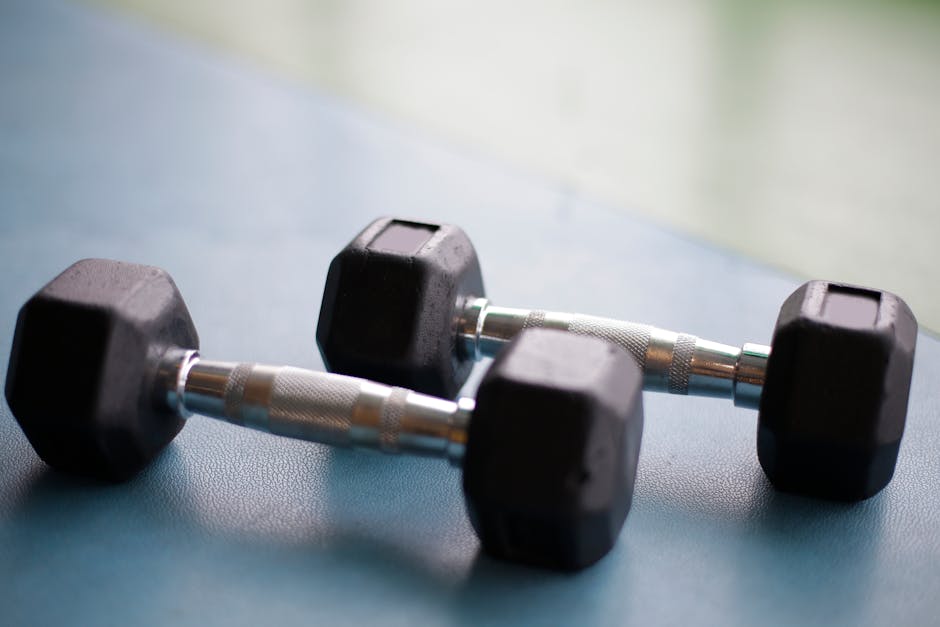
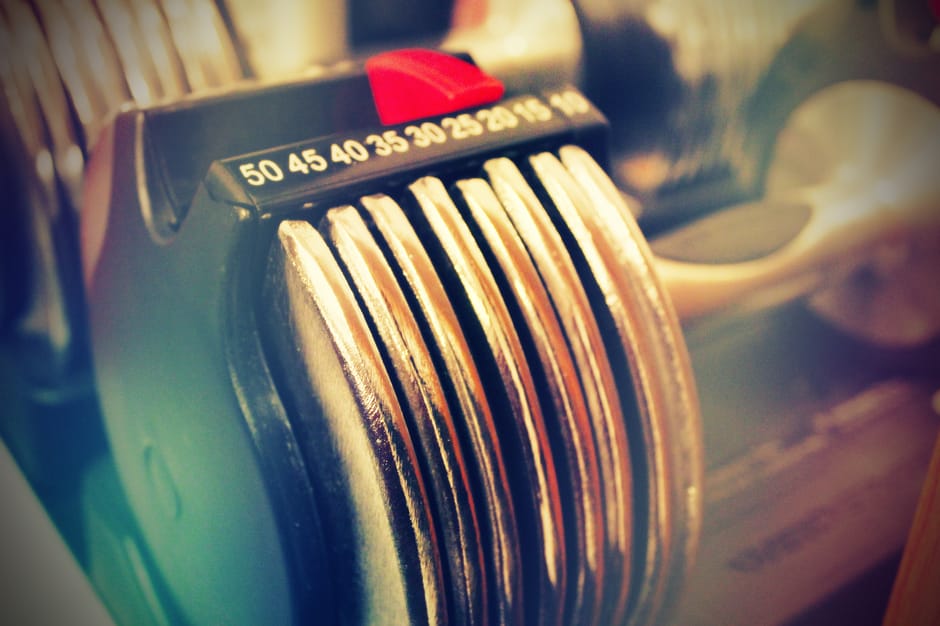
Many people believe that building a strong chest requires expensive gym memberships or complicated machines, but the reality is that the best dumbbell chest exercises can be done right in your living room. The misconception that you need a fully equipped gym to achieve impressive results can hold you back from making real gains. With just a set of dumbbells, you can effectively target your chest muscles and develop strength and definition without ever leaving home. This article will provide you with comprehensive guidance on the best dumbbell exercises for building a strong chest, along with tips to maximize your workouts.
Who This Is For
- Beginners looking to start their fitness journey without overwhelming equipment.
- Busy adults who want to fit effective workouts into their tight schedules.
- Parents who need home-friendly exercise options that can be done quickly.
- Individuals recovering from injuries who need low-impact options.
- Gym-goers wanting to supplement their routine with at-home workouts.
What Most People Get Wrong



As an Amazon Associate, Exercise Daily earns from qualifying purchases. This post may contain affiliate links. Last updated: October 23, 2026
One of the biggest mistakes people make is thinking they need to lift heavy weights to see results. In reality, proper form, controlled movements, and consistency often outweigh the amount of weight lifted. Many also neglect to incorporate a variety of exercises, focusing solely on bench presses or push-ups. This can lead to muscle imbalances and hinder overall development. Additionally, some individuals rush through their workouts without focusing on the mind-muscle connection, which is crucial for maximizing gains.
Furthermore, many newcomers to fitness may become discouraged when they don’t see immediate results, leading them to either give up or resort to unsafe practices, such as lifting excessively heavy weights too soon. It’s essential to remember that building muscle takes time, patience, and a well-structured approach. By focusing on gradual improvements and incorporating a variety of dumbbell exercises, you can achieve a well-rounded chest workout.
Explore more in our Exercise section.
Why This Actually Works
Dumbbell exercises for the chest are effective because they engage multiple muscle groups and require stabilization, which leads to greater muscle activation. For example, when performing a dumbbell bench press, not only do you target the pectorals, but you also engage the shoulders and triceps. This compound movement promotes overall upper body strength, making it an efficient exercise choice.
Moreover, dumbbells allow for a greater range of motion compared to fixed machines, enabling you to work your muscles more effectively. This increased range of motion not only enhances muscle engagement but also helps to improve flexibility and joint stability. As you perform these exercises, you will notice that your body learns to stabilize itself better, which is beneficial not just for strength training but for everyday activities as well.
Mistakes to Avoid
When performing dumbbell chest exercises at home, it’s essential to avoid common pitfalls:
Explore more in our Fitness section.
- Using improper form: Always prioritize form over weight. Poor form can lead to injuries and less effective workouts. Consider using a mirror or a video to check your posture and alignment.
- Neglecting warm-ups: Skipping warm-ups can increase the risk of injury. Always start with dynamic stretches or light cardio to prepare your muscles for the workout ahead.
- Overtraining: Allow adequate recovery time between workouts to prevent fatigue and injuries. Remember, muscles grow during rest, not during workouts.
- Ignoring nutrition: Exercise alone won’t yield results if your diet is lacking. Ensure you’re fueling your body properly with a balanced diet rich in protein, healthy fats, and complex carbohydrates.
- Not tracking progress: Failing to keep a record of your workouts can hinder your progress. Track your sets, reps, and weights to help you stay motivated and make necessary adjustments to your routine.
Best Dumbbell Chest Exercises at Home
Here are some of the best dumbbell chest exercises you can do at home, including details on sets, reps, difficulty, and safety cues:
| Exercise | Target Muscle | Sets | Reps | Difficulty | Safety Cue |
|---|---|---|---|---|---|
| Dumbbell Bench Press | Pectorals, Triceps | 3 | 8-12 | Intermediate | Keep feet flat on the floor. |
| Dumbbell Flyes | Pectorals | 3 | 10-15 | Beginner | Maintain a slight bend in elbows. |
| Dumbbell Pullover | Pectorals, Lats | 3 | 10-12 | Intermediate | Engage your core throughout. |
| Incline Dumbbell Press | Upper Pectorals | 3 | 8-12 | Advanced | Use a bench at a 30-45 degree angle. |
| Dumbbell Push-Up | Pectorals, Triceps | 3 | 6-10 | Advanced | Keep body in a straight line. |
Beginner Tips
If you’re new to dumbbell exercises, start with lighter weights to master your form. Aim for 2-3 sets of 8-10 reps for each exercise, focusing on controlled movements. Consider working out 2-3 times a week, allowing at least 48 hours of rest between sessions for muscle recovery. Additionally, practice the movements without weights to ensure you understand the mechanics before adding resistance.
Another beneficial practice for beginners is to incorporate rest intervals of 30-60 seconds between sets. This will allow your muscles to recover slightly and help you maintain proper form throughout your workout. Stay hydrated and consider keeping a workout log to track your progress.
Explore more in our Nutrition section.
Advanced Tips
For those more experienced, challenge yourself by increasing the weight gradually. Incorporate supersets (performing two exercises back-to-back without rest) for added intensity. You can also adjust the angle of your bench for incline or decline variations to target different areas of the chest. For instance, performing decline dumbbell presses can help develop the lower part of the pectoral muscles, while incline presses can enhance the upper portion.
Additionally, consider incorporating time under tension (TUT) techniques, where you slow down the eccentric (lowering) phase of the movement. This can lead to greater muscle hypertrophy and strength gains. An example would be taking 3-4 seconds to lower the dumbbells during a bench press while maintaining a controlled lift back to the starting position.
Practical Examples and Real-World Use Cases
Consider a busy parent who struggles to find time for the gym. By incorporating a simple routine of dumbbell bench presses and flyes during their child’s nap time, they can maintain their fitness without sacrificing family time. Short, focused workouts can fit seamlessly into a hectic schedule, proving that effective exercise doesn’t require hours at the gym.
Or think of an athlete who needs to cross-train at home; they can use these exercises to enhance their upper body strength and stability, which translates to better performance in their sport. For example, a swimmer may benefit from a stronger chest and shoulders, improving their stroke power and efficiency. Similarly, a runner can enhance their overall body strength, contributing to better posture and reduced injury risk.
Moreover, these exercises can be modified for those with specific limitations or injuries. For example, someone recovering from a shoulder injury might perform lighter dumbbell flyes with a limited range of motion, focusing on form and control rather than weight. This adaptation allows them to strengthen their chest without putting undue stress on the injured area.
Frequently Asked Questions
- Can I build muscle with just dumbbells? Yes, dumbbells are highly effective for muscle building when used with proper form and progressive overload. Many bodybuilders and fitness enthusiasts incorporate dumbbells into their routines to achieve significant muscle growth.
- How often should I do chest exercises? Aim for 2-3 times a week, ensuring adequate rest between sessions for recovery. This frequency allows for muscle growth while minimizing the risk of overtraining.
- What weight should I start with? Choose a weight that allows you to perform 8-12 reps with good form but feels challenging by the last few reps. As you progress, gradually increase the weight to continue challenging your muscles.
- Are dumbbell exercises safe for beginners? Absolutely, as long as you focus on form and start with manageable weights. It’s advisable to consult with a fitness professional if you’re uncertain about your technique.
- How can I tell if I’m using proper form? Consider filming yourself or working with a friend to provide feedback, or consult instructional videos from reputable sources. Many fitness apps also offer technique tutorials that can be beneficial.
Extra Value: Quick Home Dumbbell Chest Routine
Here’s a mini-routine you can do at home using just dumbbells:
- Warm-up: 5 minutes of dynamic stretching.
- Dumbbell Bench Press: 3 sets of 10 reps.
- Dumbbell Flyes: 3 sets of 12 reps.
- Dumbbell Pullover: 3 sets of 10 reps.
- Cool down: 5 minutes of stretching.
Incorporate this routine into your weekly schedule for effective chest training. This simple yet powerful routine can be completed in under 30 minutes, making it ideal for those with busy lifestyles.
Building a strong chest at home with dumbbells is not only feasible but also highly effective. By understanding the exercises, avoiding common mistakes, and applying the right techniques, you can achieve your fitness goals without the need for a gym membership. Whether you’re a beginner or an advanced lifter, these strategies will help you maximize your workouts and see real results.
Eat daily, sleep daily, exercise daily.
These are for informational purposes only. Consult your doctor and do your own research before use.